Top videos
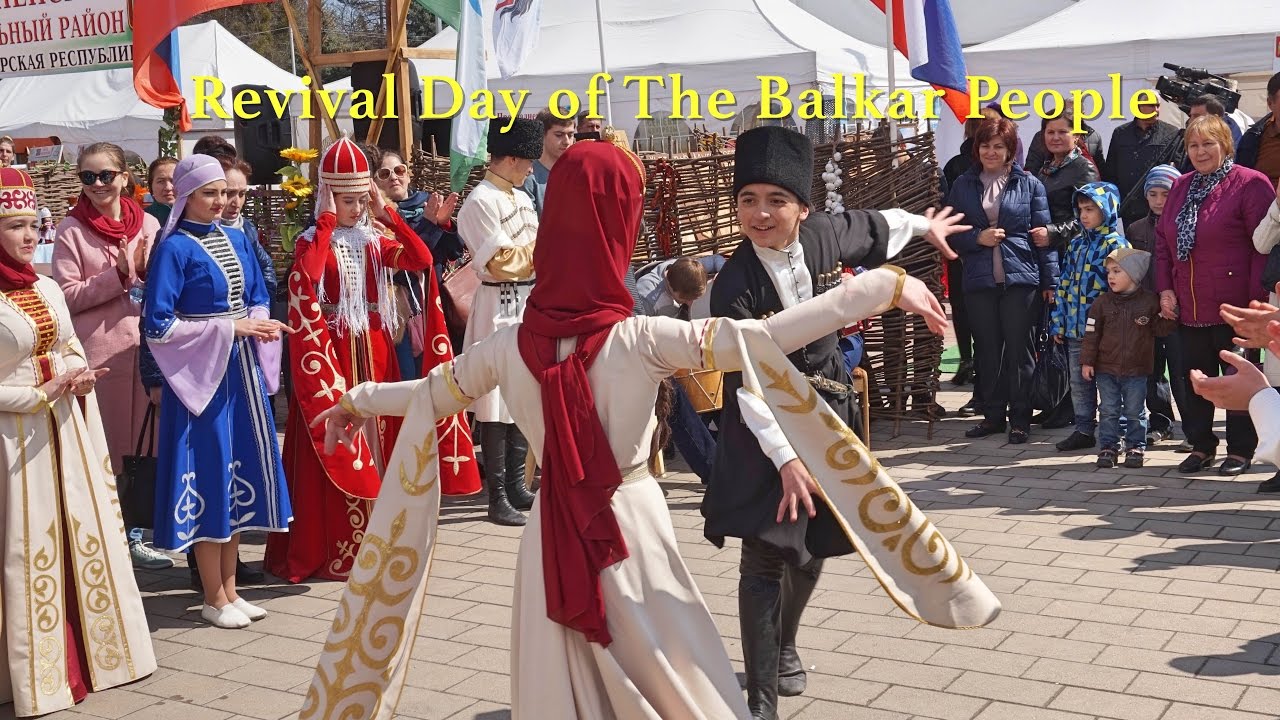
روز هشتم مارس روز احیای قوم بالکار است . بالکار نام یک گروه کوچک ترک تبار در شمال غربی قفقاز است و نیز یکی از دو قوم اصلی جمهوری خودمختار کاباردینا بالکاریا در فدراسیون روسیه می باشد . در این روز مردم از نژادها و قومیت های گوناگون در میدان اصلی شهر نالچیک جمع می شوند و این روز را جشن می گیرند .
На площади Абхазия в городе Нальчик в Кабардино - Балкарской Республике состоялось празднование дня Возрождения Балкарского народа! 60 лет!
Imam Shamil was born in 1797, in the small village (aul) of Gimry, which is in current-day Dagestan, Russia. He was originally named Ali, but following local tradition, his name was changed when he became ill. His father, Dengau, was a free landlord, and this position allowed Shamil and his close friend Ghazi Mollah to study many subjects including Arabic and logic. Shamil established himself as a well-respected and educated man of Quran and Sunnah among other Muslims of the Caucasus.
Shamil was born at a time when the Russian Empire was expanding into the territories of the Ottoman Empire and Persia (see Russo-Persian War (1804-1813) and Russo-Turkish War (1806--1812)). Following the Russian invasion, many Caucasian nations united in resistance to harsh Tsarist rule in what became known as the Caucasian War. Some of the earlier leaders of Caucasian resistance were Sheikh Mansur and Ghazi Mollah. Shamil was actually childhood friends with the Mollah, and would become his disciple and counsellor.
In 1832, Ghazi Mollah died at the battle of Gimry, and Shamil was one of only two Murids to escape, but he sustained severe wounds. He went into hiding and both Russians and Murids assumed him dead. Once recovered, he emerged out of hiding and rejoined the murids, led by the third Imam, Gamzat-bek. When the latter was murdered by Hadji Murad in 1834, Shamil took his place as the premier leader of the Caucasian resistance and the third Imam of the Caucasian Imamate. In 1839 (June--August), Shamil and his followers, numbering about 4000 men, women and children, found themselves under siege in their mountain stronghold of Akhoulgo, nestled in the bend of the Andee Koisou River, about ten miles east of Gimry. This epic siege of the war lasted eighty days, resulting finally in a Russian victory. The Russians suffered about 3000 casualties in taking the stronghold, while the rebels were almost entirely slaughtered after extremely bitter fighting where typical of the war, no quarter was either asked or given. Shamil and a small party of his closest followers, including some family miraculously managed to escape down the cliffs and through the Russian siege lines during the final days at Akhoulgo. Following his escape he once again set about regaining his following and resisting the Russian occupation. Shamil was effective at uniting the many, frequently quarreling, Caucasian tribes to fight against the Russians. He made effective use of guerrilla warfare tactics and the resistance continued under his leadership until 1859. On August 25, 1859 Shamil and his family, by agreement with the Russian Czar, were guests for some days. The emperor respected him much, and his Generals also gave due respect to the Imam.
After his capture, Shamil was sent to Saint Petersburg to meet the Emperor Alexander II. Afterwards he was exiled to Kaluga, then a small town near Moscow. After several years in Kaluga he complained to the authorities about the climate and in December, 1868 Shamil received permission to move to Kiev, a commercial center of the Empire's southwest. In Kiev he was afforded a mansion in Aleksandrovskaya Street. The Imperial authorities ordered the Kiev superintendent to keep Shamil under "strict but not overly burdensome surveillance" and allotted the city a significant sum for the needs of the exile. Shamil seemed to have liked his luxurious detainment, as well as the city; this is confirmed by the letters he sent from Kiev.
http://en.wikipedia.org/wiki/Imam_Shamil
Unesco has warned that half of all the languages spoken on the planet will are likely to disappear by the end of the century, and some say we all stand to lose once they are gone.<br /><br />There are more than 7,000 languages currently spoken in the world - many aren't recorded and don't have a written form. <br /> <br />Their loss could limit our knowledge about history, culture and nature.<br /> <br />Nisreen El-Shamayleh reports on the Circassian diaspora in Jordan.


This article, Circassian Beauty in the American Sideshow, was originally published in The Public Domain Review https://publicdomainreview.org....//essay/circassian-b under a Creative Commons Attribution-ShareAlike 3.0. If you wish to reuse it please see: https://publicdomainreview.org/legal/

Circassian beauty 2.0
#ai #aiart #aiartcommunity #aiartwork #generativeart #midjourney #stablediffusion #animation #aianimation #circassian #adige #circassianart #circassian_music #адыгэ

This is an audio version of the Wikipedia Article:
Adyghe language
00:02:08 1 Dialects
00:03:33 2 Phonology
00:04:59 3 Grammar
00:05:18 4 Alphabet
00:05:29 5 Orthography
00:05:38 5.1 Labialised consonants
00:06:04 5.2 Writing system rules
00:09:28 5.3 Vowels
00:09:53 6 Writing systems
00:10:16 7 Adyghe outside Circassia
00:11:10 8 Publications
00:11:28 9 UNESCO 2009 map of endangered languages
00:12:00 10 Sample text
00:13:27 10.1 Example
00:13:47 11 See also
Listening is a more natural way of learning, when compared to reading. Written language only began at around 3200 BC, but spoken language has existed long ago.
Learning by listening is a great way to:
- increases imagination and understanding
- improves your listening skills
- improves your own spoken accent
- learn while on the move
- reduce eye strain
Now learn the vast amount of general knowledge available on Wikipedia through audio (audio article). You could even learn subconsciously by playing the audio while you are sleeping! If you are planning to listen a lot, you could try using a bone conduction headphone, or a standard speaker instead of an earphone.
You can find other Wikipedia audio articles too at:
https://www.youtube.com/channe....l/UCuKfABj2eGyjH3ntP
You can upload your own Wikipedia articles through:
https://github.com/nodef/wikipedia-tts
"The only true wisdom is in knowing you know nothing."
- Socrates
SUMMARY
=======
Adyghe ( or ; Adyghe: Адыгабзэ, translit. Adygabzæ [aːdəɣaːbza]), also known as West Circassian (КӀахыбзэ, K’axybzæ), is one of the two official languages of the Republic of Adygea in the Russian Federation, the other being Russian. It is spoken by various tribes of the Adyghe people: Abzekh, Adamey, Bzhedug, Hatuqwai, Temirgoy, Mamkhegh, Natekuay, Shapsug, Zhaney and Yegerikuay, each with its own dialect. The language is referred to by its speakers as Adygebze or Adəgăbză, and alternatively transliterated in English as Adygean, Adygeyan or Adygei. The literary language is based on the Temirgoy dialect.
There are apparently around 128,000 speakers of Adyghe in Russia, almost all of them native speakers. In total, some 300,000 speak it worldwide. The largest Adyghe-speaking community is in Turkey, spoken by the post Russian–Circassian War (circa 1763–1864) diaspora; in addition to that, the Adyghe language is spoken by the Cherkesogai in Krasnodar Krai.
Adyghe belongs to the family of Northwest Caucasian languages. Kabardian (also known as East Circassian) is a very close relative, treated by some as a dialect of Adyghe or of an overarching Circassian language. Ubykh, Abkhaz and Abaza are somewhat more distantly related to Adyghe.
The language was standardised after the October Revolution in 1917. Since 1936, the Cyrillic script has been used to write Adyghe. Before that, an Arabic-based alphabet was used together with the Latin. In recent years, use of the Latin script has seen a resurgence, particularly among Circassian Nationalists. Originally unstandardised, all dialects of Adyghe are now included in the ICSLO (Indigenous Caucasian Standard Latin Orthography), providing a standardised Latin script that is gaining popularity. (The ICSLO treats Kabardian as a dialect of Adyghe, so Kabardian-exclusive consonants such as the labiodental ejective fricative are also represented in its Adyghe Latin script.)
кадры из индийского фильма

Summery of two Chapters from the coming book of Professor Walter Richmond on the Circassian genocide

💚@cerkeslerinsokagi💚
⚜️t.me/cerkeslerinsokagi⚜️
⚜️https://www.youtube.com/channe....l/UCHBaCylbjtoLgvrNi
#adige #circassian #adiga
#adygea #chechen #nalchik
#maykop #черкесск
#dzhegu #çeçen
#нальчик #адыгея #нарткала
#эльбрус #кавказскиегоры #çerkes #чегем #хабзэ
#черкесия #кбр #джэгу #черкеск
#cerkes #cherkesnet #черкесы 🌹🌹
#adigadzhegu⚜️ #dzhegu #адыгэ
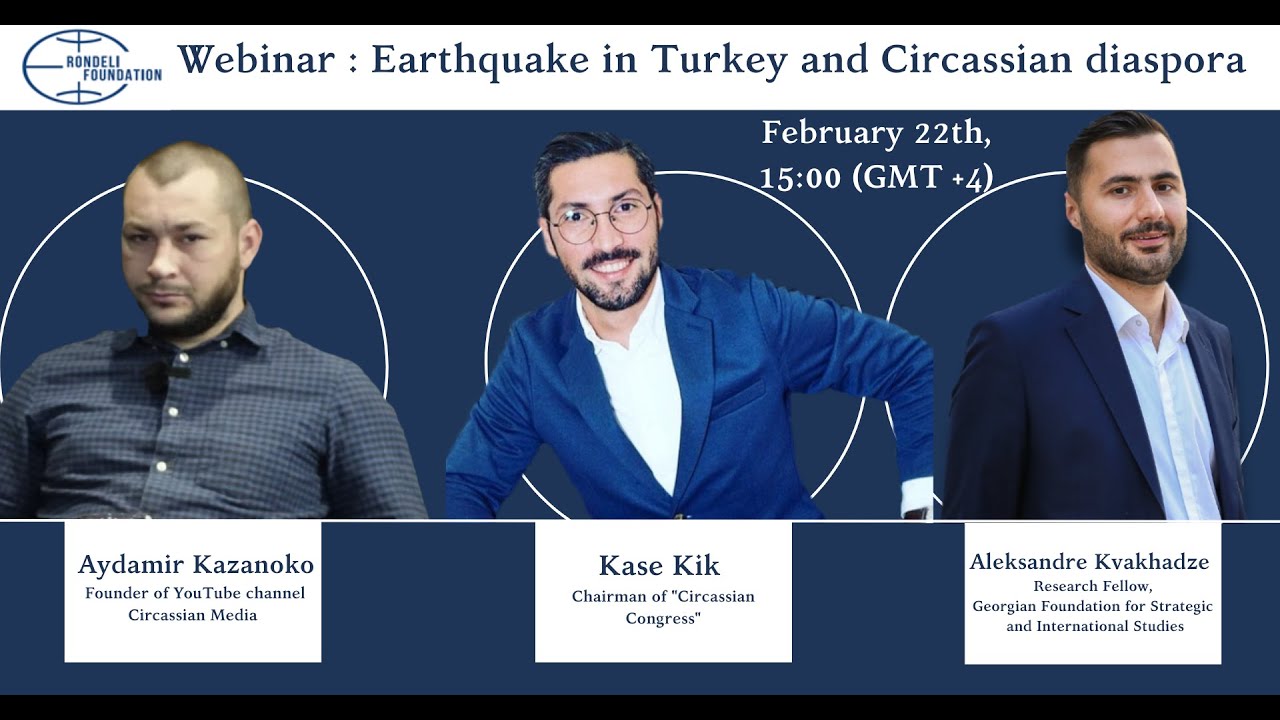
Rondeli Foundation is delighted to announce the relaunch of a series of webinars about North Caucasian affairs moderated by our Research Fellow, Aleksandre Kvakhadze.
Speakers: Aydamir Kazanoko (Tbilisi), founder of YouTube channel Circassian Media @CircassianMedia
Kase Kik (Istanbul), Chairman of "Circassian Congress"
Moderator: Aleksandre Kvakhadze, Research Fellow at the Rondeli Foundation

#shorts #keşfet #circassian #çerkesler #adige #english #turkish

Tulum (bagpipe) <br /> <br />The tulum (guda (გუდა) in Laz) is a musical instrument, a form of bagpipe from Turkey. It is droneless with two parallel chanters, and is usually played by the Laz and Hamsheni peoples and by Pontic Greeks (particularly Chaldians). It is a prominent instrument in the music of Pazar, Hemşin, Çamlıhemşin, Ardeşen, Fındıklı, Arhavi, Hopa, some other districts of Artvin and in the villages of the Tatos range (the watershed between the provinces of Rize and Trabzon) of İspir. It is the characteristic instrument of the transhumant population of the north-eastern provinces of Anatolia and, like the kemençe in its area, the tulum imposes its style on all the dance and entertainment music of those for whom it is "our music". <br /> <br />Terminology: <br />Guda (Laz) <br />Gudast'vri, გუდასტვირი (Georgian) <br />Ç'ip'oni (Artvin, Adjara, Lazona) <br />Dankio (Pontic Greek, Romeika) <br />Gaida (Bulgarian) <br />Gaita-de-fole (Portuguese) <br />Gajde (Macedonian) <br />Duda (Magyar) <br />Parkapzuk, Պարկապզուկ (Armenian) <br />Shuvyr (Mari people), North Circassians) <br />Sahbr, Shapar (Chuvash) <br />Tulum (Azerbaijani) <br />Bagpipes (Scotland) <br />Tulum (Ottoman).
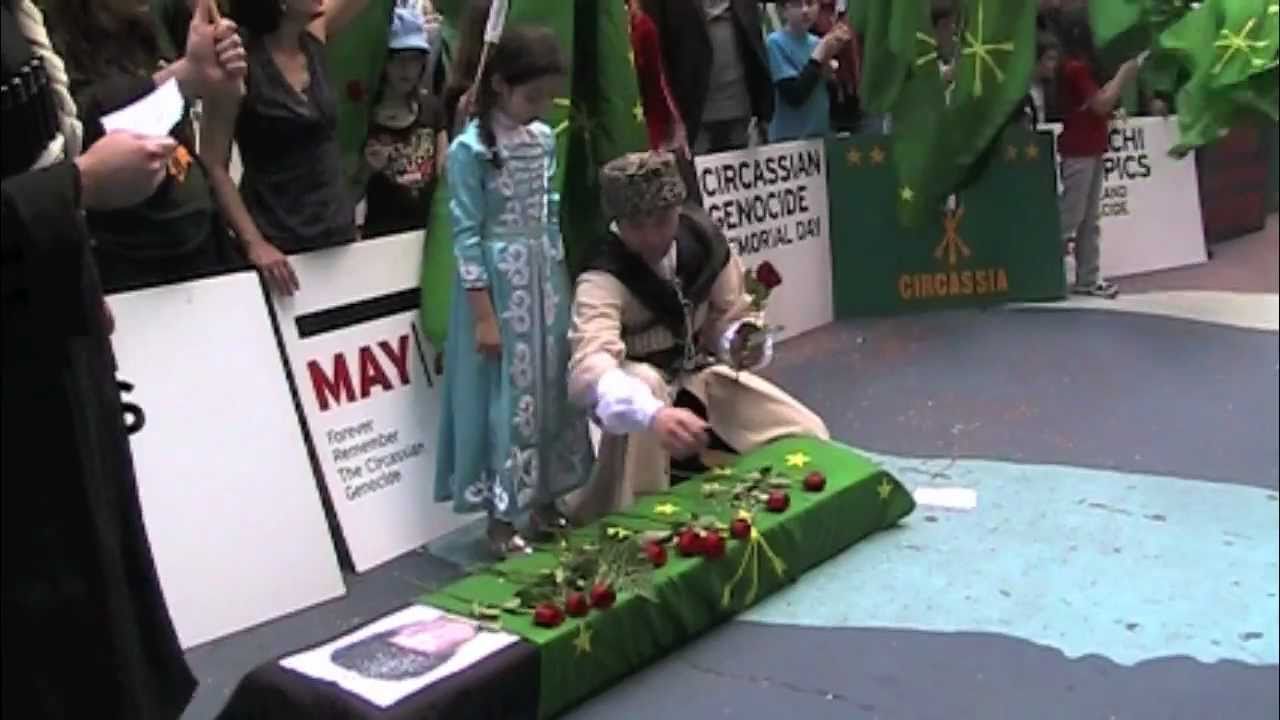
May 21, 2011 - Circassian activists in the United States demonstrate in New York City, peacefully demanding recognition of the Circassian Genocide, No Sochi Olympics on the Land of Genocide and a free Circassia now. This was a global partner to demonstrations in Istanbul, Amman, Haifa, Munich, Hamburg, Montreal, and other locations where Circassians and people with compassion demanded Circassian rights on the 147th anniversary of the Circassian Genocide.
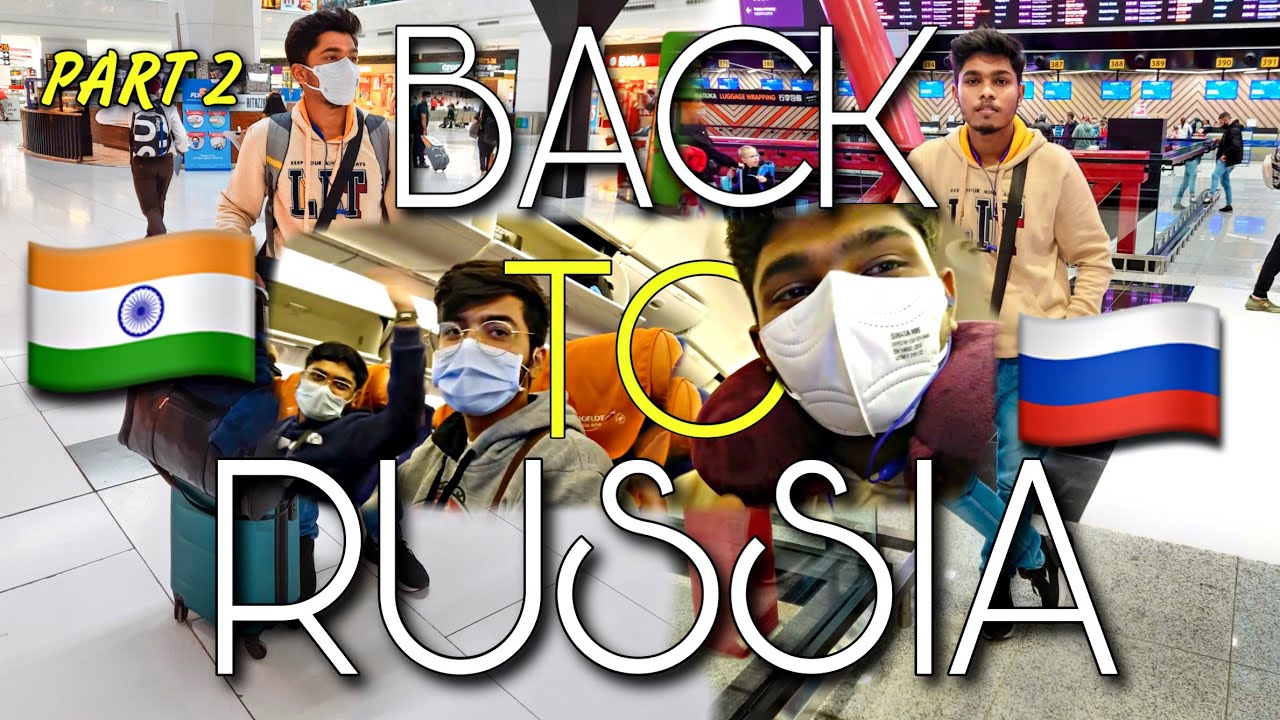
Hello guy's
Watch my previous videos also and hit the subscribe button and bell icon 🔔
.
.
.
.
I am student of Kabardino balkarian State University👨🏻⚕.... If you have any questions regarding college
.
.
.
.
.
Follow me on instagram
https://www.instagram.com/nikh....il_gayakwad05?r=name
#mbbsrussia #lifeinrussia #fmg #mbbsabroad #moscow


Provided to YouTube by CDBaby
1864: The Circassian Tragedy · Ahmad Ai
Circassia 2009-2019
℗ 2021 Ahmad Ai
Released on: 2021-01-22
Auto-generated by YouTube.