Circassian Genocide (1864): History, Facts and Timeline
The Great Circassian Deportation: May 21, 1864
On May 21, 1864, the Russian Empire declared victory in its century-long war against the Circassian people. What followed was one of history's most devastating mass deportations — the forced expulsion of an estimated 1 to 1.5 million Circassians from their Caucasus homeland across the Black Sea to the Ottoman Empire. Historians estimate that hundreds of thousands perished during the deportation itself — from disease, starvation, drowning, and exposure.
The Russo-Circassian War (1763–1864)
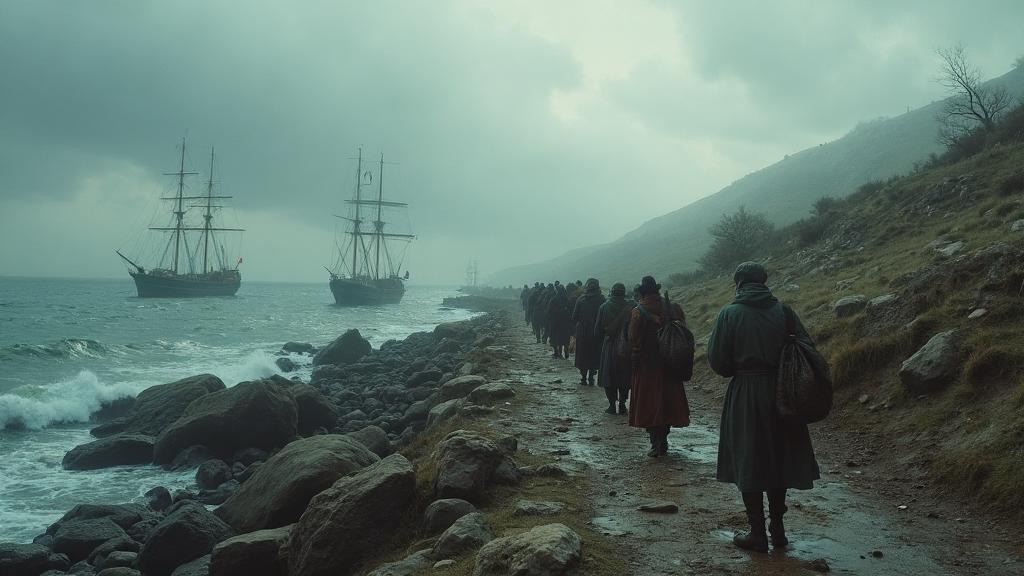
The deportation was the culmination of the Russo-Circassian War, one of the longest conflicts in modern history. For over 100 years, the Circassian tribes waged a fierce resistance against Russian imperial expansion into the Northwest Caucasus.
Key Phases of the Conflict
1763–1800 — Initial Russian military expeditions and construction of the Caucasus Line fortifications
1800–1830 — Intensification of Russian campaigns; Circassian tribes form temporary alliances
1830–1856 — Period of sustained guerrilla warfare; Circassians receive limited British and Ottoman diplomatic support
1856–1864 — Final Russian offensive under General Yevdokimov; systematic scorched earth campaigns
The Battle of Sochi and surrounding engagements marked the final military resistance. Outgunned and outnumbered, the Circassian forces could not withstand the overwhelming Russian military machine, which deployed artillery, naval blockades, and systematic destruction of villages.
The Deportation Process
The Russian strategy was not merely military conquest — it was demographic engineering. The goal was to empty the western Caucasus of its indigenous population and replace them with Russian, Cossack, and other settlers. The process unfolded with bureaucratic efficiency and devastating human cost:
Phase 1: Ultimatum and Forced March
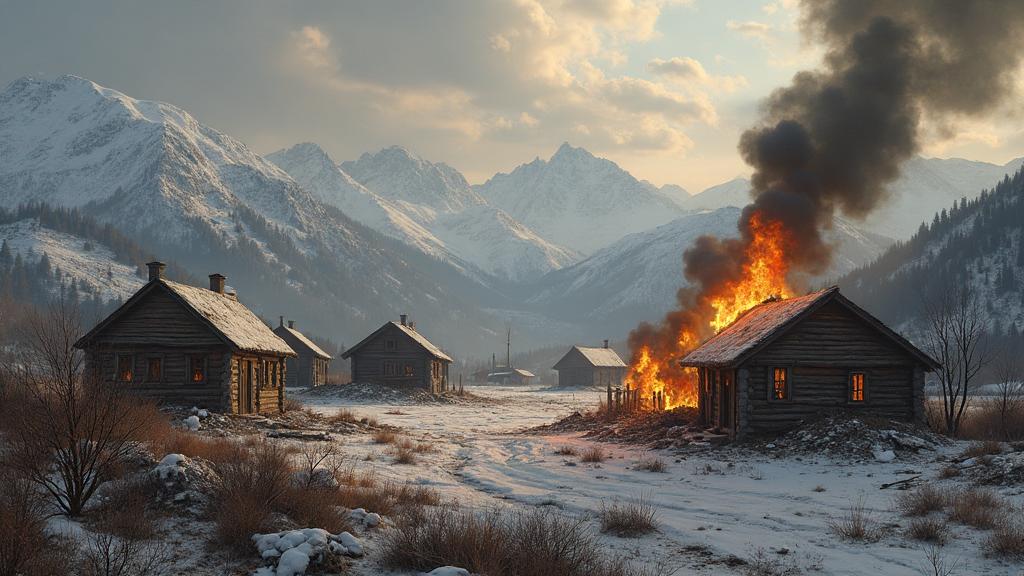
Circassian communities were given an impossible choice: relocate to designated lowland areas within Russia (far from their mountain homes) or emigrate to the Ottoman Empire. Those who resisted were met with military force. Villages were systematically burned, crops destroyed, and livestock confiscated to make return impossible.
Phase 2: The Black Sea Crossing
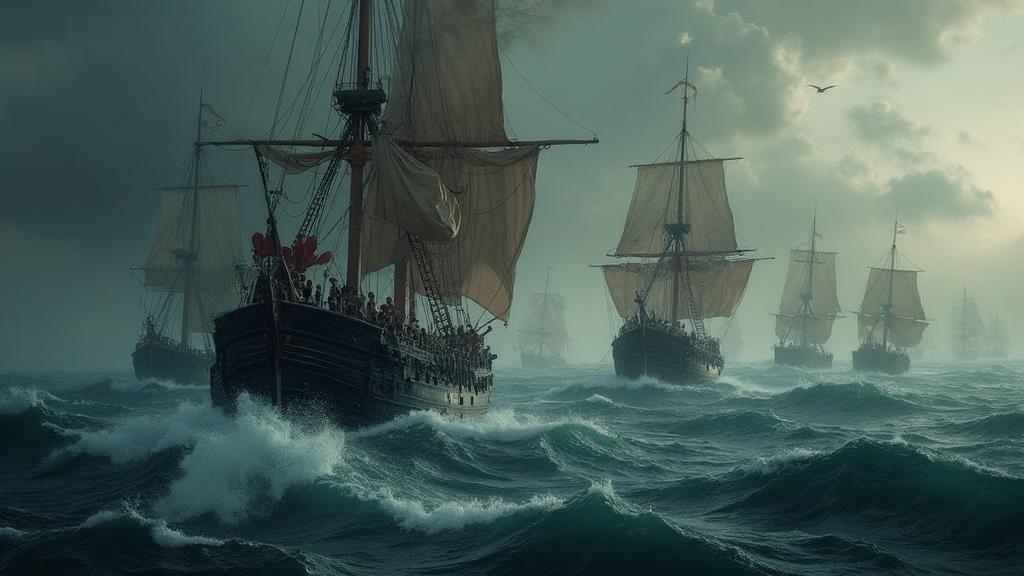
Hundreds of thousands of deportees were crowded onto barely seaworthy vessels — many operated by profiteering Ottoman and foreign merchants. The conditions were nightmarish:
Overcrowding — Ships designed for hundreds carried thousands
Disease — Typhus, smallpox, and cholera swept through the confined spaces
Starvation — Inadequate food and water for the voyage
Drowning — Many overloaded vessels sank in storms
Exposure — Winter crossings in open boats proved fatal for many
Phase 3: Arrival and Resettlement
Survivors arrived at Ottoman ports — primarily Trabzon, Samsun, Sinop, Varna, and Istanbul — in a state of extreme deprivation. The Ottoman government, while officially welcoming, was overwhelmed by the sheer numbers:
Refugee camps formed along the coast where disease continued to claim lives
Resettlement scattered Circassians across the empire — to Anatolia, Syria, Jordan, Palestine, and the Balkans
Family separation was common as groups were dispersed to different regions
Cultural disruption began immediately as communities were broken apart
The Human Cost
Estimates of the death toll vary, but the scale is undeniable:
Pre-war Circassian population — Estimated at 2 to 3 million
Deported — Approximately 1 to 1.5 million
Perished during deportation — An estimated 300,000 to 600,000 died en route or shortly after arrival
Remaining in the Caucasus — Only 50,000 to 80,000 Circassians remained in their homeland
Contemporary accounts from Russian military officers, British consuls, and Ottoman officials describe scenes of unimaginable suffering. The British consul in Trabzon, William Gifford Palgrave, reported bodies washing ashore and camps where the living could barely be distinguished from the dead.
International Recognition
The Circassian genocide — as many scholars and activists term it — remains one of the least recognized mass atrocities in history. Key recognition milestones include:
2011 — The parliament of Georgia officially recognized the events as genocide
May 21 commemorations — Annual memorial events held worldwide by diaspora communities
Academic recognition — Growing body of scholarship classifying the deportation as genocide under international law
2014 Sochi Olympics controversy — The hosting of Winter Olympics on the site of the final battles sparked international attention
The Legacy: A Scattered Nation
The deportation created the global Circassian diaspora that exists today. From the communities of Amman and Kfar Kama to the millions in Turkey and the smaller populations across Europe and the Americas, every diaspora community traces its origins to this catastrophe.
The deportation also created the conditions for the ongoing challenges the Circassian nation faces:
Language endangerment — Separation from the linguistic homeland
Cultural fragmentation — Tribal communities scattered across different countries
Identity challenges — Balancing Circassian heritage with citizenship in host countries
Loss of genealogical records — Family histories disrupted by displacement
Remembering and Moving Forward
The deportation of 1864 is not merely a historical event — it is a living reality that shapes Circassian identity to this day. Remembering it properly means both honoring the victims and channeling that memory into action: preserving the language, documenting family histories, building family trees, and working toward the unity of the scattered nation.
Frequently Asked Questions
Is the Circassian deportation recognized as genocide?
Georgia officially recognized it as genocide in 2011. Several scholars and genocide research organizations classify it as genocide. However, most governments — including Russia — have not formally recognized it. Advocacy for recognition continues.
How many Circassians died during the deportation?
Estimates vary, but historians generally cite 400,000 to 625,000 deaths during the deportation itself — from violence, starvation, disease, and drowning in overcrowded ships. Combined with war casualties, the total death toll may exceed one million.
Why is May 21 significant for Circassians?
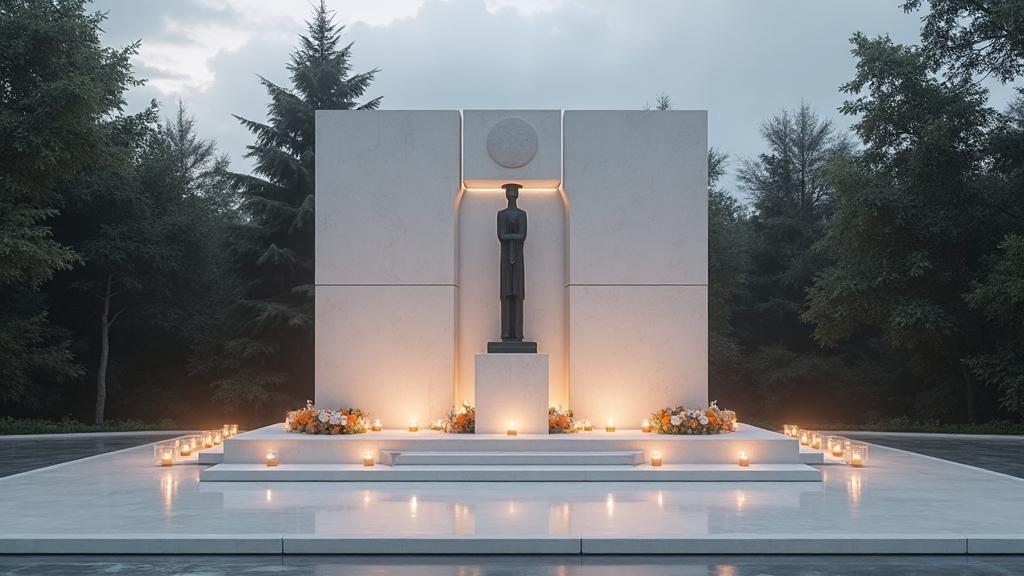
May 21, 1864 marks the official end of the Russo-Circassian War and the beginning of the mass expulsion. Circassian communities worldwide hold memorial events on this date, wearing black and lighting candles to honor those who perished.
Sources & References
Richmond, Walter. The Circassian Genocide. Rutgers University Press, 2013.
Shenfield, Stephen D. "The Circassians: A Forgotten Genocide?" The Massacre in History, Berghahn Books, 1999.
King, Charles. The Ghost of Freedom: A History of the Caucasus. Oxford University Press, 2008.
Kreiten, Irma. "A Colonial Experiment in Cleansing." Journal of Genocide Research, 2009.
International Genocide Scholars Association. Resolution on the Circassian Genocide, 1997.
Explore Your Circassian Heritage
Understanding the deportation is essential to understanding who we are as a people. Continue your journey by exploring the Battle of Sochi, tracing your genetic heritage, or connecting with Circassian associations commemorating May 21.