Top videos


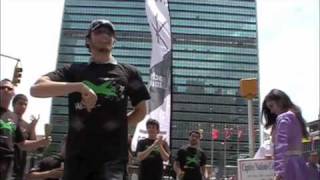
In honor of Circassia becoming a member of The Captive Nations, a joug was held in front of the United Nations in New York City on July 18, 2010.
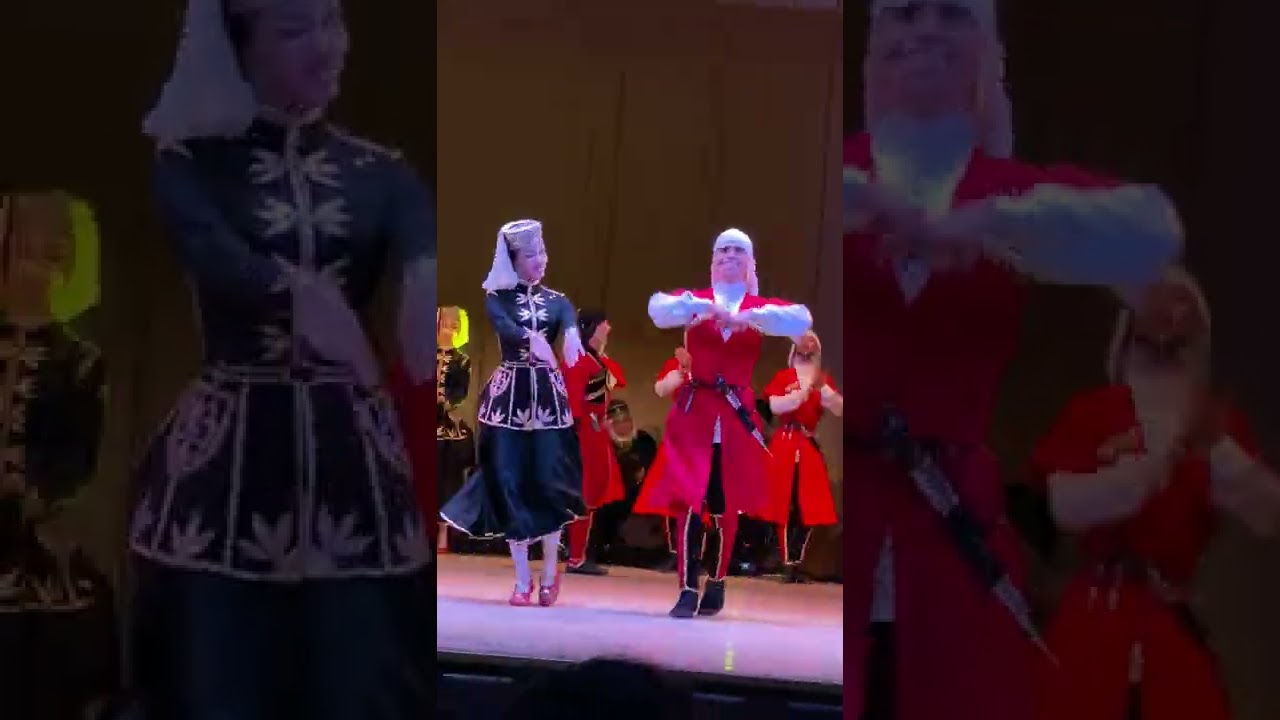
Become a sponsor of the channel and you will get access to exclusive bonuses. More details: https://www.youtube.com/channe....l/UCx0f8afpSCrV4GvKD
My social networks:
Instagram: https://www.instagram.com/kazakbiev_promo/

The Circassian Cultural Institute lecture series this week will feature Dr. Maja Catic.
Dr Maja Catic holds a BA in International Development Studies from the University of Toronto (2000), an MA in Russian and East European Studies from the University of Toronto (2002), and a PhD in Political Science from Brandeis University in Waltham, MA (2009). Her research focuses on the politics of statebuilding in divided societies, especially on internationally-sponsored statebuilding; nationalism and ethnic conflict; politics of memory; and, various aspects of comparative genocide studies. She is currently serving on the Advisory Council of the International Association of Genocide Scholars.
Dr. Catic discussed moral claims and political demands in the context of genocide recognition. As well as the the issue of recognition and the viability of genocide recognition initiatives.


In this video, Yenal is speaking five Circassian dialects: Shapsug Dialect 00:00–00:20, Bzhedug Dialect 00:21–00:40, Abzakh Dialect 00:41–00:57, Karbadian Homeland Dialect 00:57–01:17, Karbadian Diaspora Dialect 01:18–01:42.

Seepsa is a Circassian folkloric song performed by Ahmad APESH & Muhannad NASIP in Jerash festival July 2012 at the main event of Al Ahli Club Ensemble for Circassian Folklore,
The song was played by:
Muhannad NASIP (Accordionist/Pshinawa)
Maen NAKHWA (Baraban)
Mahoud BASHMAF (Appa Pshina)
Ihab JANKHOUT (Pkhatchech)
Ahmad APESH (Singer)
Seepsa means my soul in the Circassian language & it is also the name of Ahmad APESH`s beloved wife.


Adel Bashqawi speaking during Circassian Memorial Day in Anaklia (Georgia)

![K'amilife [Къамылыфэ] | Bzhamiy [Бжамий] | Soloist Haqul Oksana | Circassian Song](https://i.ytimg.com/vi/5VGjdINI1nQ/maxresdefault.jpg)
Bzhamiy (Cyrillic: Бжамий) is a Circassian (Kabardian) folk group performing authentic Circassian music and dances of the Cacausus and Circassian Diaspora. It has toured various countries.
The name means "whistle" or "flute" in the Circassian language. It is a wooden instrument that has been used for music and communication since ancient times. Bjamiy is mentioned constantly in the Nart sagas:
“The flute is a musical instrument that occurs in our mythology too. Nart Ashemez’s flute was white on one side and black on the other. If he blew into the white side, there would be prosperity and if he blew into black side there would be famine. Our flutes are white on both sides. They heal patients, and invite healthy people to dance. Our songs & dances excite people. The flute, Shiqe Pshina, Pshina Digkhuakho, and pxhachich with Circassian accordion take our ancient melodies from the past to the future.”


Ahmad Ai - Circassian Kafa in A Minor
For more music: soundcloud.com/ahmad-aiy
черкес/circassian/адыги/Адыгэ музыка/Адыгэ уэрэл/черкесы//черкесия/черкесск/черкесы в турции/история черкесов/черкесский язык/адыги в турции/кто такие черкесы//черкесская диаспора/геноцид черкесов/о черкесах/адыгея/черкесы умирают стоя/черкесы турции/адыгэ/адыгэбзэ/адыгэ хабзэ/circassians/кабардинцы/нальчик/майкоп/кабардино балкария/черкесские войны///

#AdigaMuzik#
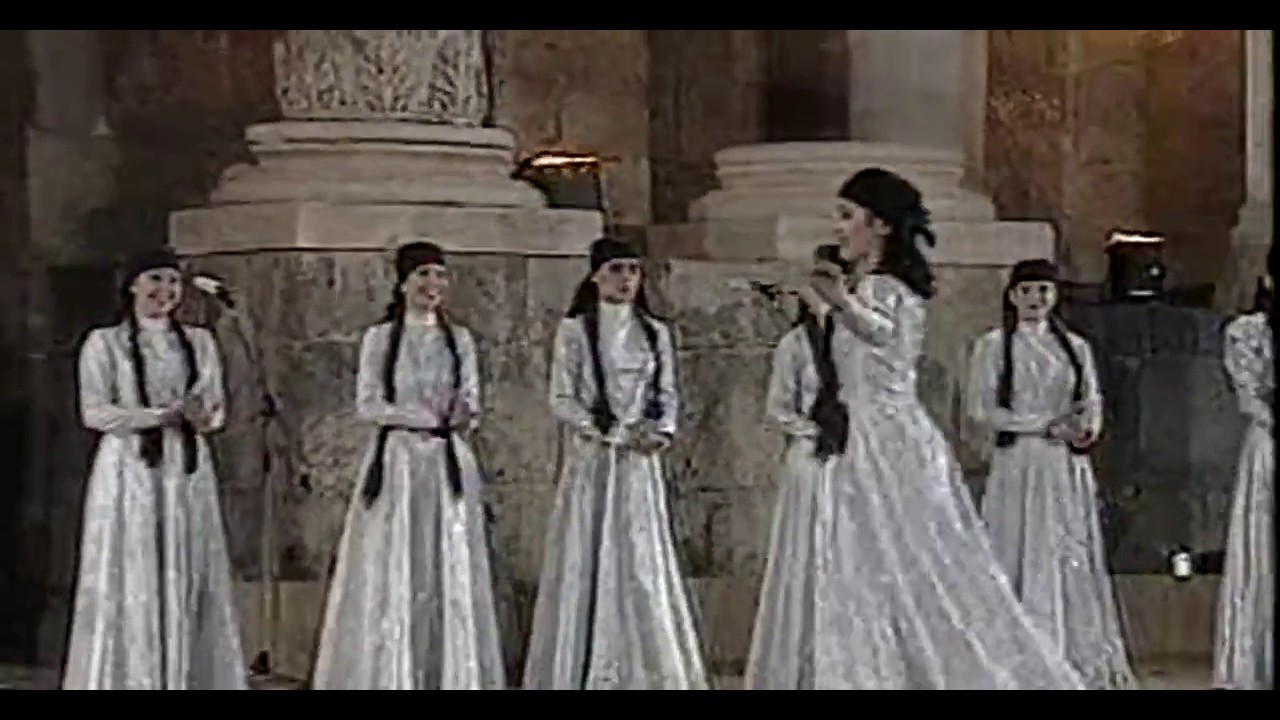
A performace by circassian dance group in Syria during Bousra Festival on 1999.

Tut Zaur - nakhush udzh

The 21st of May, a day only a Circassian will remember. It is the day when the freedom loving people of the North Caucasus, the Circassians, after 100 years of continuous brutal war, nay massacre, by Tsarist Russia, and hundreds of years before that against other foes, finally succumbed to leave their heavenly lands under a deceitful trickery between the Tsars and Ottamans.
The result, a proud nation abandoning their heavenly homeland and falling into the wicked hands of manipulative war lords. Massacring and displacing over 1.5 million of this ancient civilization leaving less than 5% in the homeland in which they lived and loved from the dawn of time.
The peaks of the Caucasus mountains still cry’s for its children until this day, and today on the saddest of days, the 21st of May with the scar from 1864, every Circassians heart hears the motherlands cries for her children in the diaspora weeping out loud: Come back, for it is here you belong, free roaming amongst the peaks of Kazbek and Albrouz like your brave ancestors, but for now, always keep me in your brave heart.

ХЭХЭС АДЫГЭХЭР-1
МОЛЭ VİDEO CANLI AYIN 65 / МОЛЭ Video занщIэу нэтын 65
Diaspoarada yaşayan çerkesler hakkında yapacağımız seri programların ilkinde Amerika New Jersey kentinde yer alan dernek başkanı ve başkan yardımcısı ile yaptığımız söyleşide dernek hakkında bilgi aldıktan sonra Amerika'daki çerkesler hakkında söyleşi..

Circassian Genocide Protest held in Istanbul, Turkey on 05/24/09
Circassians throughout the world condemning Tsarist Russia for its act of genocide against the Circassian / Adyghe people of the North Caucasus. Currently, millions of Circassians live in the diaspora with no legal way of returning back to their homeland.

in jordan

#chechen #grozny #çerkes #adigepşaşe #sürgün #pşine #ceug #grozny #lezginka #adigecale #çeçen #lovzar #nalchik #circassian #çeçenler #çerkesler #adiga #adigeler #kafkas #takipçi #адыги #cerkes #çerkeskıyafetleri #chechens #школаэтнос. #şeşen #adigekıyafet #adigeceug #adigeulusalkıyafetgünü #gt #çerkesler #pşinavo

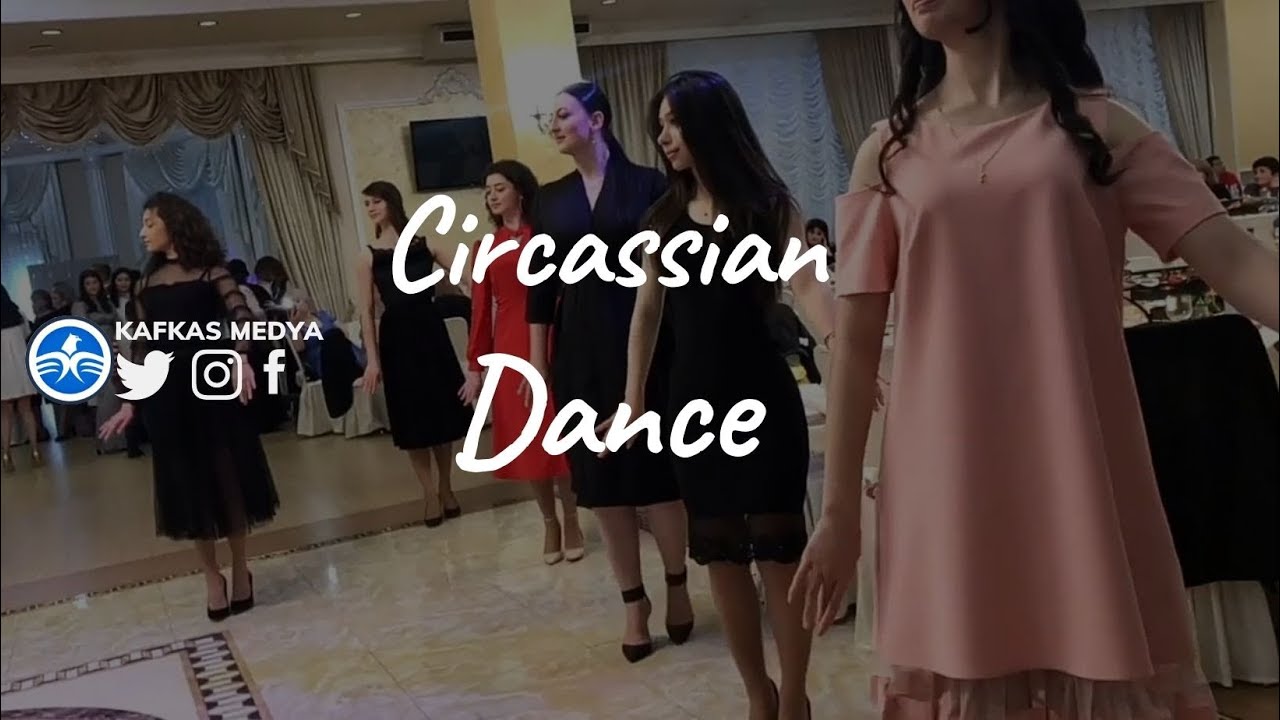
#circassian #circassiadance #caucassian #caucassiandance
-----circassians------
The Circassians (also referred to as Cherkess or Adyghe; Adyghe: Адыгэхэр, romanized: Adıgəxər; Kabardian: Адыгэхэр, romanized: Adıgəxər) are an indigenous ethnic group and nation native to the historical country-region of Circassia in the North Caucasus.[31] As a consequence of the Circassian genocide, which was perpetrated by the Russian Empire in the 19th century during the Russo-Circassian War, most Circassians were exiled from their homeland in Circassia to modern-day Turkey and the rest of the Middle East, where the majority of them are concentrated today.[32] The Circassian languages, a subdivision of the Northwest Caucasian language family, are the shared ancestral languages of the Circassian people.[33] Islam has been the dominant religion among the Circassian populace since its injection into the region in the 17th century through the influence of the Ottoman Empire, although Christianity and the Circassian indigenous faith have maintained themselves as a significant minority.[34] Circassia has been subject to repeated invasions since ancient times; its isolated terrain coupled with the strategic value that external societies have placed on the region have shaped the Circassian national identity to a large extent.
Until the 20th century, the majority of Circassians spoke the Circassian languages, with two main dialects (West Circassian and East Circassian) and numerous sub-dialects. The Circassian languages have been largely sidelined in usage due to assimilation policies and intermarriages with other ethnic groups. Today, approximately 40–50 percent of Circassians speak the Circassian languages; the remaining majority speak Turkish, Russian, English, Arabic and Hebrew. The majority of Circassians are Sunni Muslims.[34]
The Unrepresented Nations and Peoples Organization estimated in the early 1990s that there are as many as 3.7 million Circassians in diaspora (in over 50 countries)[35] outside of the titular Circassian republics (meaning that only one in seven ethnic Circassians lives in their homeland) and that, of these 3.7 million, more than 2 million live in Turkey.[35] An additional 700,000 live in Russia; over 300,000 reside in the countries of the Levant (mostly in Jordan and in Syria with a sizable population in Israel) as well as in Iraq; some 50,000 live in Western Europe and in the United States.
The term "Circassian" traditionally includes the twelve historic tribes of Circassia: the Abzakh, the Besleney, the Bzhedugh, the Hatuqway, the Kabarday, the Mamkhegh, the Natukhaj, the Shapsugh, the Chemirgoy, the Ubykh, the Yegeruqway and the Zhaney.[36] Each star on the Circassian national flag represents one tribe.
Historical Circassia has been divided by Soviet and Russian administrations into the modern-day republics of Adygea, Kabardino-Balkaria, Karachay-Cherkessia and Krasnodar Krai as well as southwestern parts of Stavropol Krai. Accordingly, Circassians have also been designated as the following: Adygeans in Adygea, Kabardians in Kabardino-Balkaria, Cherkess in Karachay-Cherkessia and Shapsug in Krasnodar Krai, although all four are essentially the same people. Today, approximately 800,000 Circassians remain in historical Circassia while 4,500,000 live elsewhere
kaynakça :
--vikipedi----

beautiful adyghe music