Лучшие видеоролики

100 лет образования Кабардино-Балкарской республики.
10 сентября впервые в Республике Кабардино-Балкария в городе Нальчик на фасаде здания Администрации республики было показано уникальное световое шоу.
Зрители шоу – 50 тысяч человек – насладились невероятным зрелищем, продолжительностью 600 секунд с четкостью изображения более 10К.
Для мероприятия было использовано 60 тонн оборудования и 50 киловатт звука, площадь засветки составила 1200 квадратных метров, расстояние, с которого светили – 140 метров.
Световое шоу было подготовлено коммуникационной группой ТриПлан «под ключ»:
• разработан сценарий и дизайн-концепт мероприятия,
• подготовлен уникальный видео-ряд,
• создана уникальная звуковая дорожка,
• подготовлено здание администрации для демонстрации шоу с последующим демонтажем.
Больше наших работ можно увидеть тут: https://www.triplan.ru/work-1

circassian dance
Черкесская свадьба
çerkez düğünü
adige cegu
adige ceug
çerkes dansı
çerkez dansı
circassian wedding
kafkas dansları
Адыгэ джэгу circassian dance çerkes düğünü circassian wedding çerkez düğünü adige ceug adıge cegu
Черкесская свадьба زفاف شركسي Չերքեզի հարսանիքը Çərkəz toyu Circassianische Hochzeit ჩერქეზული ქორწილი Черкеська весілля ჩრდილოკავკასიელი კავკასიის kafkas düğünleri adige khafe Matrimonio circasso kafe khafe Qafe qafe
Κυκασιανός γάμος Καυκάσιοι γάμο boda circasiana חתונה צ'רקסית

🆘 ШИНЫ В РАССРОЧКУ!!!
😱УСПЕЙ КУПИТЬ ВЫГОДНО‼️
✅ Подписывайтесь на наш INSTAGRAM: vianor_07
⏰ Режим работы:
✅ Понедельник - Суббота: c 09:00 до 17:00
❌ Воскресенье - выходной.
📍 Наш адрес: КБР, г. Нальчик, ул. Шарданова, 8"Б" (быв. ул. Калюжного)


The most beautiful girl from Nalchik....Larianna i really LOVE YOU...

NALÇİK'te TİMUR LOSAN- ARTUR DİŞEK -NESREN ŞIRAYDER- AZAMAT ve arkadaşlarıyla KAMURAN ÇOLAK WOREDLERLE ÇOŞTURURKEN-- 30-6-2017- ÇEKİM ORHAN HALMAN


Vlog_Video
#Nalchik_Russia
link :- https://youtu.be/BR0ty0hJGSs
#vladikavkaz_Russia
link:- https://youtu.be/bckeY9I57ys
#Sevastopol_Russia
link :- https://youtu.be/IzNHLOq3szU
#Russian_sea_beach
link:-
https://youtu.be/ZpScHWAGeJs
#Mykop_Russia
link :-
https://youtu.be/L45I-X9XjOc
#Yevpatoriya_BlackSea
link:-
https://youtu.be/_cHiWjFoVNw
Follow me
In Instagram :- Saiful_Islam.shishir
Fb page :- Md Saiful Islam Shishir
Link:-
https://www.facebook.com/Md-Sa....iful-Islam-Shishir-1
Fb id :- Mohammod shishir
Link :- https://www.facebook.com/mohammod.shishir.77

Я горжусь тем, что я черкес.
Нет никакой моей личной заслуги в том, что я родился черкесом, но я все равно горжусь.
154 года назад завершилась Русско-Черкесская война, длившаяся 101 год. Эта война стала катастрофой для черкесов. Цвет нации сложил свои головы, остатки были изгнаны со своих земель и депортированы за сотни и тысячи километров от своей Родины. Лишь считанные проценты смогли выжить и остаться на своей земле. Никто не мог себе представить, что и они не будут в скором времени полностью ассимилированы, а память о них стерта из истории.
Ни для одного народа Северного Кавказа последствия этой войны не были столь катастрофичны. Никто из остальных народов не понес таких потерь, а многие лишь увеличились в своей численности. Практически все приобрели новые территории, освобожденные от своих прежних хозяев огнем и мечом.
И вот прошло 154 года, а черкесы все еще живы, все еще жив наш язык, мы еще помним, кто мы такие.
Мы единственный народ в России, кто не забыл события полуторавековой давности. Не забыли, потому что черкесам есть, что помнить!
Мы выходим на улицы со своими флагами, без триколоров, без портретов Путина, сами, без принуждения. Мы выходим, и можем пройти по улицам, громко заявляя, что мы едины и живы и совсем не собираемся умирать.
И мы в этот день едины, где бы мы не жили, Северный Кавказ это, Израиль или Турция, Иордания, Европа или США.
Я горжусь!
@___habze___
#Хабзэ #Бзэ #Адыгэбзэ #Анэдэлъхубзэ #Хэку #ХэкурэХабзэрэ #Черкес #Адыгэ #Черкесия #Кабарда #КБР #КЧР #РА #Адыгея #СвободнаяЧеркесия #АдыгэХэку #Черкешенка #Черкеска #АдыгэФащэ #МартинКочесоко #Нальчик #Майкоп #Черкесск #Адыгагъэ #Хасэ #Адыгэш #КабардинскаяПародаЛошадей #КабардинскаяПарода #АдыгэУейУей
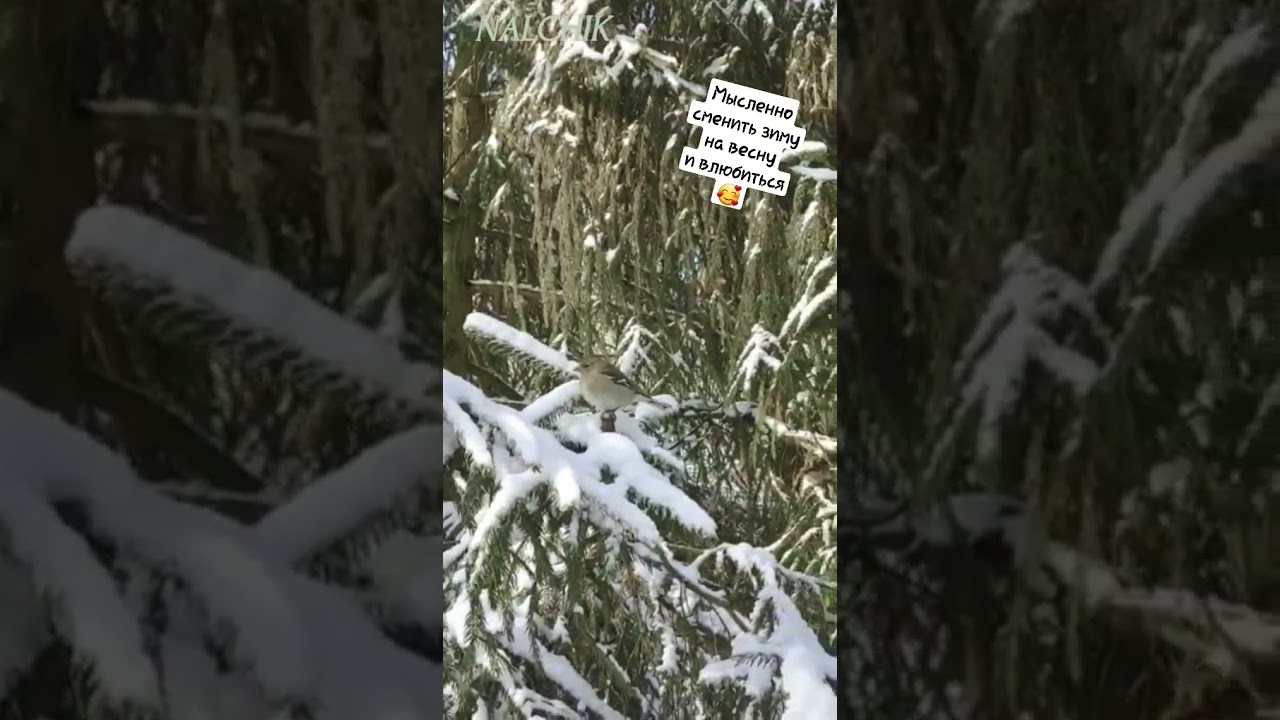
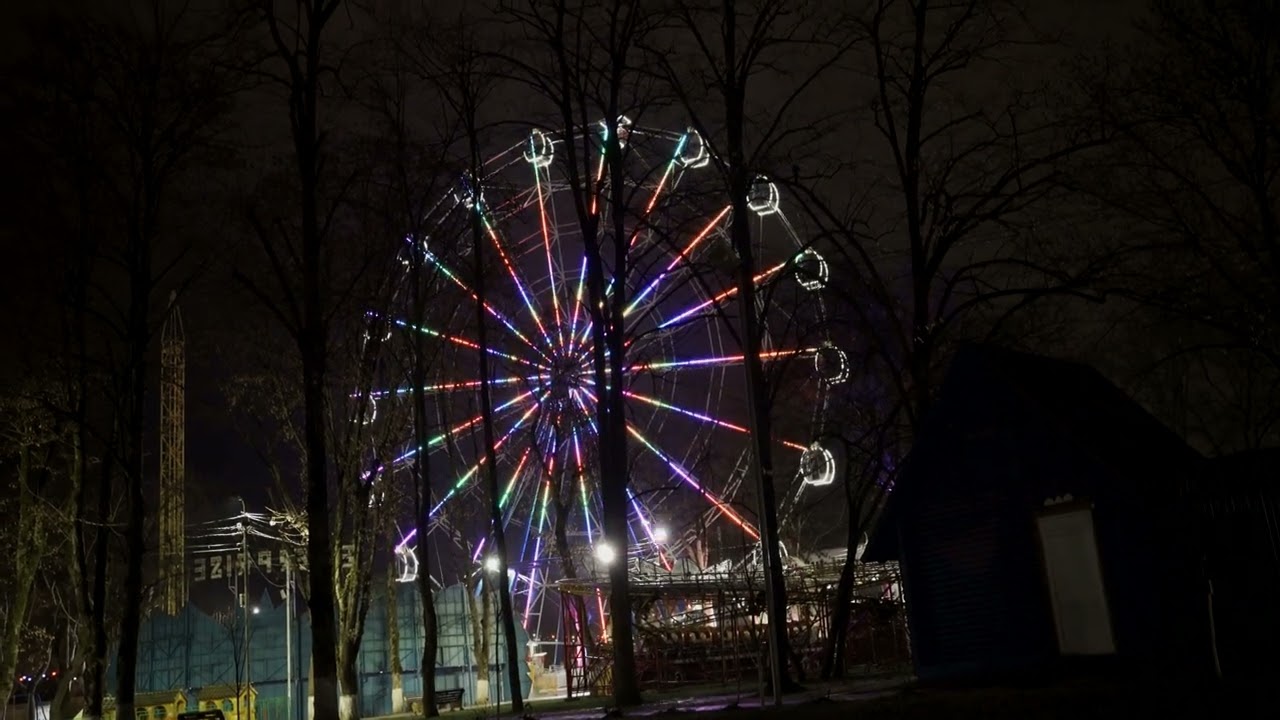
Город Нальчик , баксанское ущелье , село Терскол , гора Эльбрус .
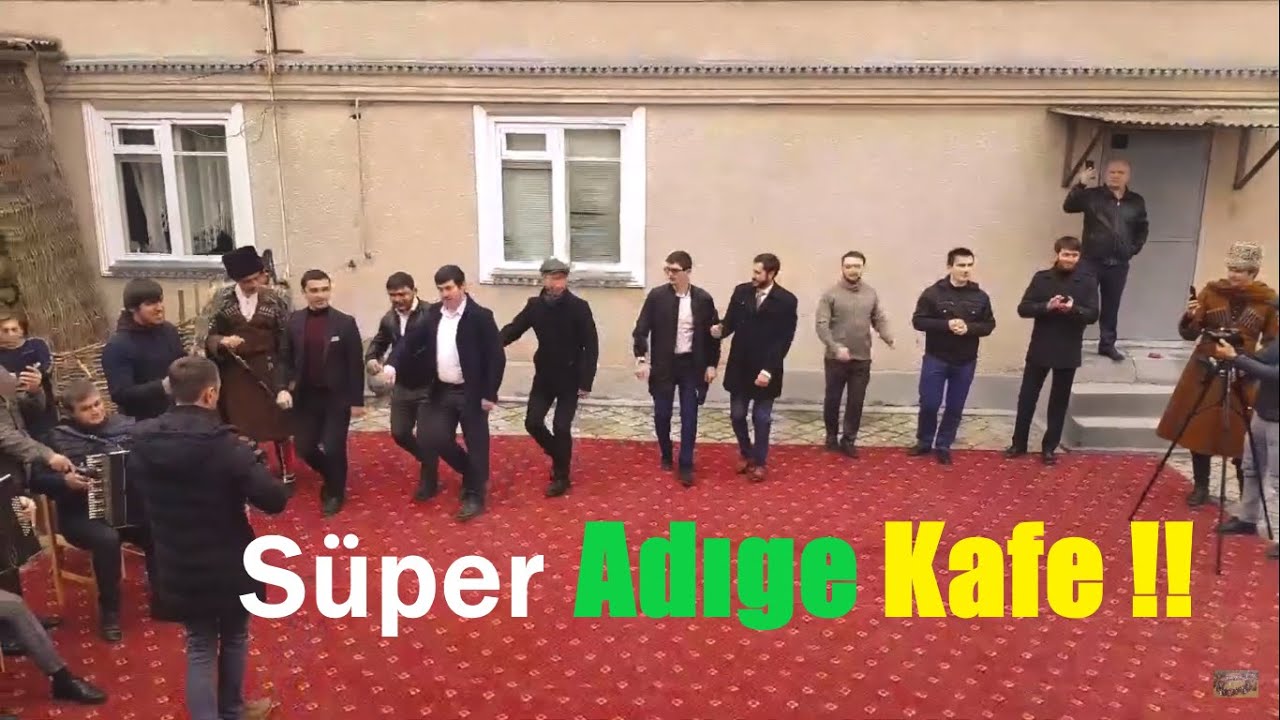
#circassiandance #çerkesdüğünü #qafe #kafe #къафэ #Черкесскаясвадьба
muhteşem çerkes dansı,
mükemmel çerkes dansı,
çerkes düğün videoları,
çerkes videoları,
çerkez düğünleri,
çerkez dansı,
adige kafe,
adige qafe,
circassian qafa,
adiga qafa
çerkes dansı muhteşem çerkes dansı çerkez düğünleri çerkes düğünleri adige düğünleri nalchik adige cegu Черкесская свадьба süper dans show Супер Адыгэ джэгу circassian dance circassian wedding adıge cegu çerkezler çerkesler dünyanın en güzel düğünü dünyanın en güzel şarkıları Нальчик Майкопе краснодар сочи circassia cherkessia Туапсинского cherkes Черкесск черкесский çerkez düğünü böyle olur circassian dance çerkes düğünü circassian wedding çerkez düğünü adige ceug adıge cegu ŞEŞEN şeşen müziği şeşen dansı şeşen nasıl oynanır şeşen oyunu çerkes müzikleri dinle щэщэн кавкас dance dance taki taki dance afro танец Tanz رقص valle rəqs dantza danza ריקוד պարել 舞蹈 舞蹈 dança плес नृत्य tanec χορός sayaw 댄스 ples би танц danza tari رقص नृत्य Nr̥tya tánc qoob ka ダンス бий Черкесская свадьба زفاف شركسي Չերքեզի հարսանիքը Çərkəz toyu Circassianische Hochzeit ჩერქეზული ქორწილი Черкеська весілля ჩრდილოკავკასიელი კავკასიის kafkas düğünleri adige khafe Matrimonio circasso Κυκασιανός γάμος Καυκάσιοι γάμο düğün videoları wedding clip düğün videoları izle 2018 wedding 2019 wedding 2019 dance en güzel düğünler çerkez oyunu kafkas oyunu çerkez dansı erkek çeçen dansı çeçen müzikleri hareketli caucassian dance адыгэ джэгу, адыгэ джэгу свадьба, адыгэ джэгу лъапэрисэ, адыгэ джэгу 2018, адыгэ джэгу адыгейск, адыгэ, адыгэ уэрэд, адыгэ къафэ, къафэ, черкес, адыгея, шэшэн, адыгэ къашъо, черкесия ансамбль, черкесия песня

Circassian Tut Zaur - moscow kremlin 2006
Circassian song - Badinouka

Provided to YouTube by Ingrooves
Circassian Circle · Haud Yer Lugs Ceilidh Band
Only When I Sleep: Celtic Songs, Vol. 5
℗ The Music Kitchen Ltd
Writer, Composer: Trad Arr Haud Yer Lungs Cellidh Band
Auto-generated by YouTube.

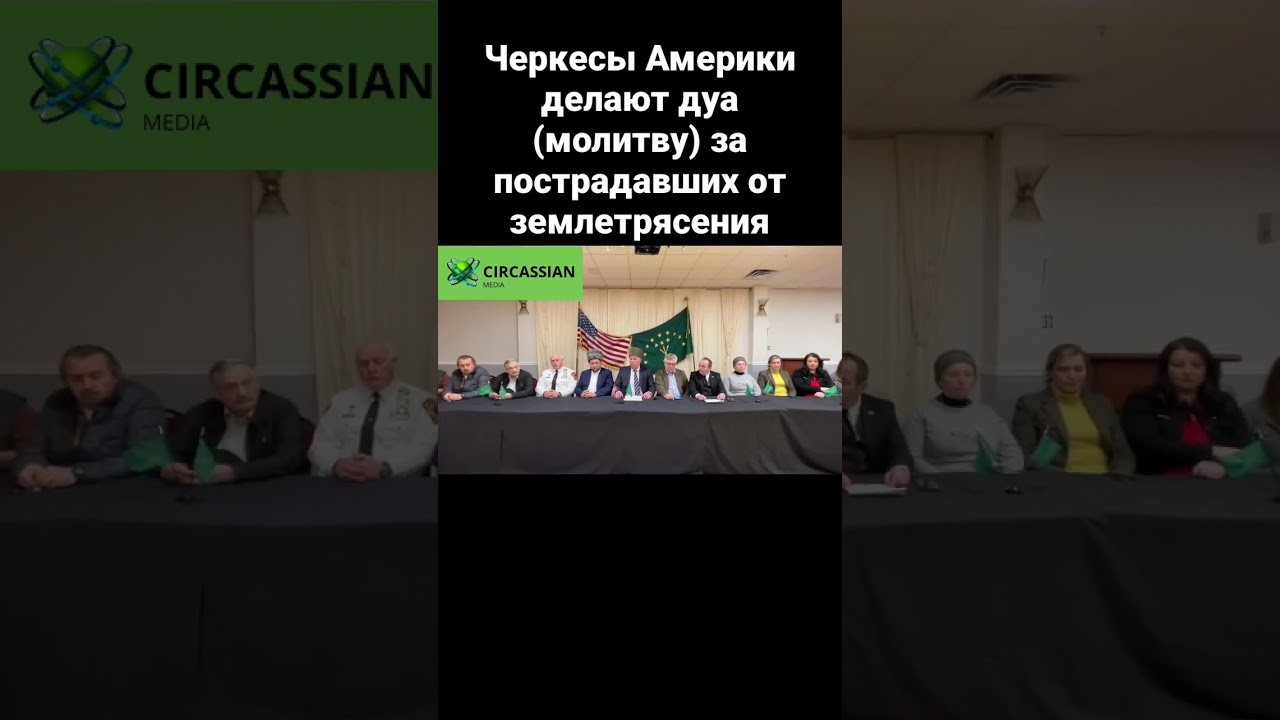
Черкесы Америки делают дуа за пострадавших от землетрясения
#circassianmedia #circassian_media_ #circassian #circassians #circassia #adyge #adyga #adiga #adige #адыги #адыгэ #адыг #адыгэбзэ #адыгимира #черкесы #черкесия #адыгея #кабарда #кабардинцы #кабардинец #черкесск #баксан #адыгейск #хабез #туапсе #сочи #майкоп #нальчик #эльбрус #кавказ #адыгэш #адыгэхабзэ #хабзэ #шапсугия #шапсуги #шапсуг #circassiangenocide #геноцидчеркесов #геноцидадыгов #мамлюки #черкесскиемамлюки #черкесытурции #черкесысирии #черкесыиордании #черкесыизраиля #черкесымира

adyghe.

Played by : Zeyad Qunash

like - share - subscribe for more

#circassian #circassiandance#circassianwedding #caucasus #caucasusdance
kafkas dansı çerkes oyunu circassian dance
Almanca’da Tscherkessen, İngilizce’de Circassian ve Fransızca’da Circassien olarak adlandırılmaktadırlar. Çerkeslerin komşu halklarından Abazalar, Çerkesleri Azıhua, Osetler de Kaşgon/Kasgon olarak adlandırır. Çerkesler ise kendilerine Adığe adını verirler.
Çerkeslerin yoğun olarak yaşadığı Rusya’da ise Sovyetler Birliği döneminde Çerkesler yaşadıkları bölgelere göre farklı şekilllerde isimlendirildiler. Bu isimlendirme günümüzde hala daha Rusya’da varlığını sürdürmeye devam ediyor. Çerkes kelimesi sadece etnik bir tanımlama olarak değil, aynı zamanda Karaçay-Çerkes Cumhuriyeti’ndeki yerleşimi belirten coğrafi bir tanım olarak da kullanılıyor. Bu durum Rusya’da farklı eleştirilerin doğmasına da neden olmuş durumda.
--
Они называются Tscherkessen по-немецки, черкесские по-английски и черкесские по-французски. Соседние с черкесами народы, абазины, называют черкесов азихуа, а осетин - кашгон/касгон. Черкесы называют себя адыгейцами.
В России, где черкесы проживают интенсивно, черкесов называли по-разному в зависимости от регионов, в которых они проживали в период Советского Союза. Эта номенклатура до сих пор продолжает существовать в России. Слово черкес используется не только как этническое обозначение, но и как географическое описание, обозначающее населенный пункт в Карачаево-Черкесской Республике. Эта ситуация также вызвала различную критику в России.
----- They are called Tscherkessen in German, Circassian in English, and Circassien in French. Circassians' neighboring peoples, Abaza, call the Circassians Azihua, and the Ossetians as Kashgon/Kasgon. Circassians call themselves Adyge.
In Russia, where Circassians live intensely, Circassians were named in different ways according to the regions they lived in during the Soviet Union period. This nomenclature still continues to exist in Russia today. The word Circassian is used not only as an ethnic designation, but also as a geographical description denoting the settlement in the Karachay-Cherkess Republic. This situation has also led to different criticisms in Russia.
---
يطلق عليهم اسم Tscherkessen في الألمانية ، والشركسية في اللغة الإنجليزية ، والشركس بالفرنسية. يُطلق على الشعوب المجاورة من الشركس اسم الأباظة ، والشركس باسم أزيهوا ، والأوسيتيون باسم كاسغون / كاسغون. يسمي الشركس أنفسهم أديجي.
في روسيا ، حيث يعيش الشركس بشكل مكثف ، تم تسمية الشركس بشكل مختلف وفقًا للمناطق التي عاشوا فيها خلال فترة الاتحاد السوفيتي. لا تزال هذه التسمية موجودة في روسيا اليوم. كلمة شركسية لا تستخدم فقط كتسمية عرقية ، ولكن أيضًا كوصف جغرافي يشير إلى الاستيطان في جمهورية قراتشاي - شركيس. أدى هذا الوضع إلى انتقادات مختلفة في روسيا.
----
它們在德語中稱為 Tscherkessen,在英語中稱為 Circassian,在法語中稱為 Circassien。切爾克斯人的鄰近民族稱為阿巴扎,切爾克斯人稱為阿茲華,奧塞梯人稱為卡斯貢/卡斯貢。切爾克斯人稱自己為 Adyge。
在切爾克斯人密集居住的俄羅斯,切爾克斯人根據蘇聯時期居住的地區而有不同的命名。這種命名法在今天的俄羅斯仍然存在。切爾克斯人這個詞不僅用作種族名稱,還用作表示卡拉恰伊-切爾克斯共和國定居點的地理描述。這種情況在俄羅斯引起了不同的批評。
Sie heißen Tscherkessen auf Deutsch, Circassian auf Englisch und Circassien auf Französisch. Die Nachbarvölker der Tscherkessen heißen Abaza, die Tscherkessen Azihua und die Osseten Kasgon/Kasgon. Tscherkessen nennen sich Adyge.
In Russland, wo Tscherkessen intensiv leben, wurden die Tscherkessen je nach Region, in der sie während der Zeit der Sowjetunion lebten, unterschiedlich benannt. Diese Nomenklatur existiert noch heute in Russland. Das Wort Circassian wird nicht nur als ethnische Bezeichnung verwendet, sondern auch als geografische Beschreibung, die die Siedlung in der Karatschai-Tscherkessischen Republik bezeichnet. Diese Situation hat in Russland zu unterschiedlicher Kritik geführt.
उन्हें जर्मन में त्शेर्केसन, अंग्रेजी में सर्कसियन और फ्रेंच में सर्कसियन कहा जाता है। सर्कसियों के पड़ोसी लोगों को अबाजा, सर्कसियन को अज़ीहुआ और ओस्सेटियन को कासगोन/कासगोन कहा जाता है। सर्कसियन खुद को अदिगे कहते हैं।
रूस में, जहां सर्कसियन तीव्रता से रहते हैं, सर्कसियों को सोवियत संघ की अवधि के दौरान रहने वाले क्षेत्रों के अनुसार अलग-अलग नाम दिया गया था। यह नामकरण आज भी रूस में मौजूद है। सर्कसियन शब्द का उपयोग न केवल एक जातीय पदनाम के रूप में किया जाता है, बल्कि भौगोलिक विवरण के रूप में भी किया जाता है, जो कराची-चर्केस गणराज्य में बसावट को दर्शाता है। इस स्थिति ने रूस में विभिन्न आलोचनाओं को जन्म दिया है।
--
Mereka disebut Tscherkessen dalam bahasa Jerman, Circassian dalam bahasa Inggris dan Circassien dalam bahasa Prancis. Orang-orang Circassians yang bertetangga disebut Abaza, Circassians sebagai Azihua, dan Ossetians sebagai Kasgon/Kasgon. Circassians menyebut diri mereka Adyge.
-

Provided to YouTube by ABC Digital Distribution Limited
Circassian & Georgian tunes · Мадина Цалоева
Deti Gor
℗ 2022 Caucasus ML
Released on: 2023-04-09
Producer: Мадина Цалоева
Lyricist: Мадина Цалоева
Composer: Мадина Цалоева
Music Publisher: Caucasus ML
Auto-generated by YouTube.


muhteşem çerkes dansı, mükemmel çerkes dansı, çerkes düğün videoları, çerkes videoları, çerkez düğünleri, çerkez dansı, adige kafe, adige qafe, circassian qafa, adiga qafa çerkes dansı muhteşem çerkes dansı çerkez düğünleri çerkes düğünleri adige düğünleri nachik adige cegu Черкесская свадьба Супер Адыгэ джэгу circassian dance circassian wedding adıge cegu çerkezler çerkesler dünyanın en güzel düğünü dünyanın en güzel şarkıları Нальчик Майкопе краснодар сочи circassia cherkessia Туапсинского cherkes Черкесск черкесский çerkez düğünü böyle olur circassian dance çerkes düğünü circassian wedding çerkez düğünü adige ceug adıge cegu şeşen щэщэн лъэпэрисэ Адыгэ джэгу Черкесская свадьба زفاف شركسي Չերքեզի հարսանիքը Çərkəz toyu Circassianische Hochzeit ჩერქეზული ქორწილი Черкеська весілля ჩრდილოკავკასიელი კავკასიის kafkas düğünleri adige khafe Matrimonio circasso süper dans show Κυκασιανός γάμος Καυκάσιοι γάμο dance taki taki dance afro танец Tanz رقص valle rəqs dantza danza ריקוד պարել 舞蹈 舞蹈 dança плес नृत्य tanec χορός sayaw 댄스 ples би танц danza tari رقص नृत्य Nr̥tya tánc qoob ka ダンス бий адыгэ джэгу, адыгэ джэгу свадьба, адыгэ джэгу лъапэрисэ, адыгэ джэгу 2018, адыгэ джэгу адыгейск, адыгэ, адыгэ уэрэд, адыгэ къафэ, къафэ, черкес, адыгея, шэшэн, адыгэ къашъо, черкесия ансамбль, черкесия песня
to watch on your pc - http://football.trueonlinetv.c....om//?Watch-Soccer-Li to watch on your mobile http://mobiletv.truemobilestor....e.com/?Watch-Soccer- - (-tgs))) Watch FC Utrecht v, VVV Venlo, 12:30, 2012, Online, Live Stream , International Football Matches Today , Soccer Matches Today Results , Watch Vitesse Arnhem v, ADO Den Haag, 12:30, 2012, Live Stream, live tv , Watch SC Heracles Almelo v, RKC Waalwijk, 14:30, 2012, live tv, highlights , Watch Spartak Nalchik v, Volga Nizhny Novgorod, 10:00, Spartak Stadium, highlights, results , Watch Spartak Moscow v, FK Rubin Kazan, 12:15, Luzhniki Stadium, results, Preview , Watch Anzhi Makhachkala v, Dinamo Moscow, 14:30, Khazar Staduim, Preview, recap , Watch Club Brugge v, KAA Gent, 16:00, Jan Breydel Stadium, recap, live , Watch KV Kortrijk v, Standard Liege, 18:30, Guldensporenstadion, live, Online , Watch Austria Vienna v, Rapid Vienna, 14:00, Franz Horr Stadium,

Special cooperation video with AllAbout Russia YouTube channel - https://www.youtube.com/channe....l/UCElm3tlBoqg0DXhIP
"A look at one of the most famous people from the Caucasus - the Adyghe!"
Donate:
Paypal - komplekt_city@mail.ru
Sponsorship: patreon.com/Caucasus_antropology
Contacts:
e-mail: v.shtybin@yandex.ru
VKontakte: https://vk.com/shtybin_on_air
Facebook: www.facebook.com/vitaliy.shtybin
Instagram: www.instagram.com/shtybin_on_air/
Telegram: www.t.me/circassian_notes

👉👉 T.ME/CERKESLERİNSOKAGİ
👉👉https://www.youtube.com/c/CerkeslerinSokagi
#адыгэ #черкесск #circassian
#адыги #черкес #çerkes
#kabardey #cerkesking #осетии
#абаза #chechen #cerkeskizi
#adygamusic #hatukhay #natukhay
#abzah #bjeduğ #kafkas #cherkes
#wored #fyp #адыга
#adyghe #adigepsase #shapsig

Provided to YouTube by CDBaby
Adyghe Xassa · Ivan Bakij
The Circassian Call
℗ 2007 Ivan Bakij
Released on: 2007-02-02
Auto-generated by YouTube.

My arrangement of Aslan Tlebzu's song, Piano & Accordion
Аслан Тлебзу

Adyghe popular Music