Битва за Сочи 1864: Последний Черкесский Защитник и Падение
On May 21, 1864, the Russian Empire celebrated a military parade in what is now the city of Sochi. That celebration marked the end of a war that had lasted over a century — and the beginning of the greatest catastrophe in Circassian history. The so-called "Battle of Sochi" was not a single clash of armies but rather the final chapter of the Russo-Circassian War, a grinding conflict that reshaped the entire northwest Caucasus region and scattered its indigenous people across the Ottoman Empire and beyond.
Why does this date matter so much? Because it represents the moment when Circassians lost sovereignty over their homeland — a territory they had defended for generations against one of the most powerful empires on earth. Every May 21st, Circassian communities around the world pause to remember what happened, and to ask themselves how the lessons of 1864 can shape a stronger future.
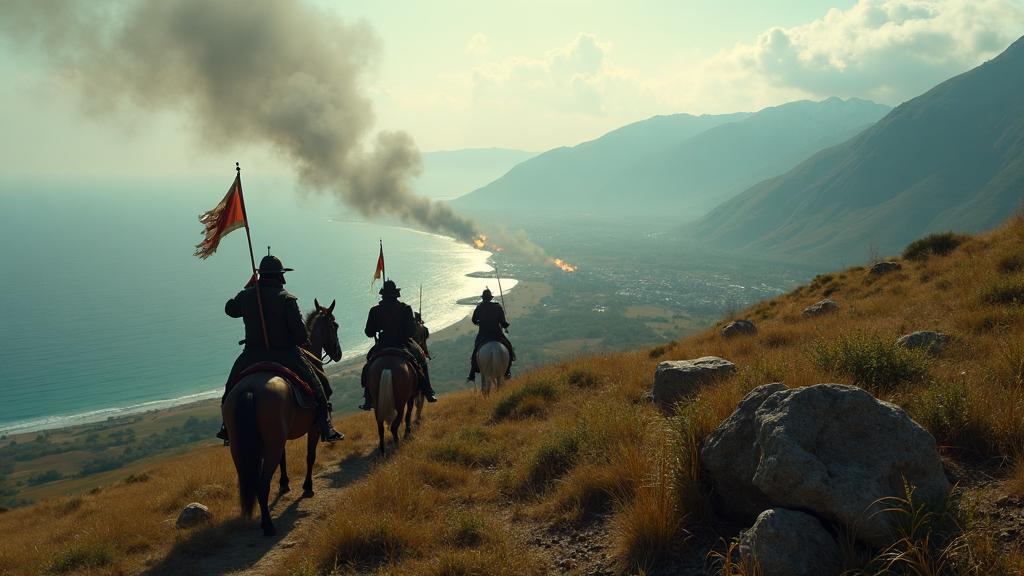
The Russo-Circassian War: A Century of Resistance
The roots of the Battle of Sochi stretch back to the late 18th century. When Catherine the Great began pushing Russian borders southward, Circassian tribes found themselves standing directly in the path of imperial expansion. The Caucasus Mountains — those towering ridges that had sheltered Circassian civilization for millennia — became a battleground.
What made the Circassian resistance remarkable was its duration and tenacity. For over 100 years, from roughly 1763 to 1864, various Circassian tribes fought against Russian forces. This wasn't a centralized military campaign on the Circassian side; it was a guerrilla resistance waged by independent tribal confederations who rarely had unified command. The Shapsug, Abzakh, Ubykh, Natukhai, and other tribes each defended their own territories while occasionally coordinating larger operations.
The Russian approach evolved over the decades. Early campaigns relied on fortified lines — chains of forts that slowly pushed into Circassian territory. By the mid-19th century, Russian generals adopted a more devastating strategy: systematic destruction of villages, burning crops, and forcing entire populations from their lands. General Nikolai Yevdokimov became the architect of this scorched-earth policy in the final phase of the war.
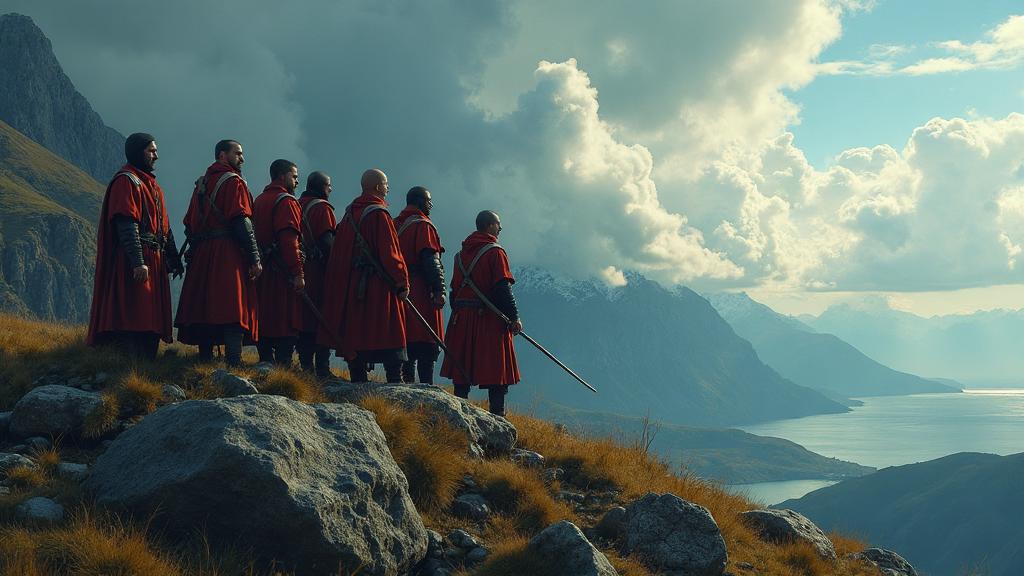
The Final Stand: What Actually Happened at Sochi
By the early 1860s, the military situation for Circassians had become desperate. Russian forces had conquered the eastern Caucasus after the capture of Imam Shamil in 1859, freeing up tens of thousands of troops to focus on the western Caucasus — Circassian territory.
The final campaigns of 1863-1864 were not traditional battles in the European sense. They were a systematic campaign of ethnic cleansing. Russian columns moved through valleys and along the coast, destroying every village they encountered. Circassians who surrendered were given a choice: relocate to designated lowland areas under Russian control, or leave for the Ottoman Empire.
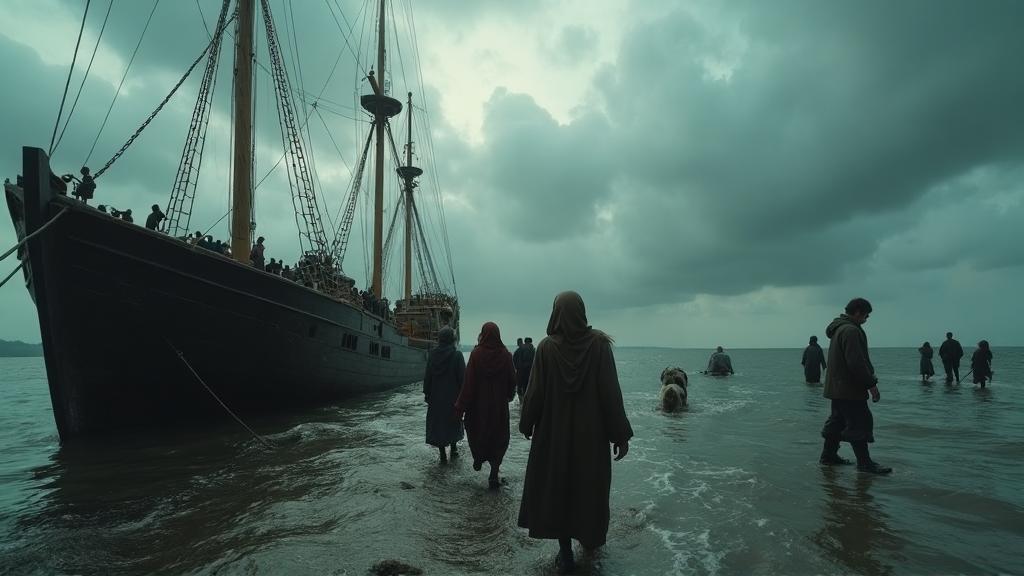
Most chose exile. Or more accurately, most were forced into exile. Russian authorities actively coordinated with Ottoman officials and shipping companies to transport hundreds of thousands of Circassians across the Black Sea. The conditions on these ships were horrific — overcrowded vessels with inadequate food and water. Thousands died during the crossing itself.
The "Battle of Sochi" specifically refers to the final resistance in the Sochi River valley and surrounding areas in the spring of 1864. The last major Circassian forces — primarily Ubykh and Shapsug warriors — made their stand here. By May 1864, organized resistance had effectively ended. On May 21, 1864, a Russian military parade was held in the Kbaade valley (now within modern Sochi), marking the official end of the war.
The Scale of the Catastrophe
The numbers tell a story of overwhelming loss. Before the war, the Circassian population is estimated at 1.5 to 2 million people. By 1864, the vast majority had been expelled. Historians estimate that between 800,000 and 1.5 million Circassians were deported to the Ottoman Empire. Tens of thousands — possibly hundreds of thousands — died during the deportation process itself, from disease, starvation, and exposure.
Entire tribal groups were effectively eliminated from their homeland. The Ubykh, who had been among the fiercest resisters, were completely removed from the Caucasus. Their language, once spoken by tens of thousands, went extinct in 1992 with the death of the last fluent speaker, Tevfik Esenç, in Turkey.
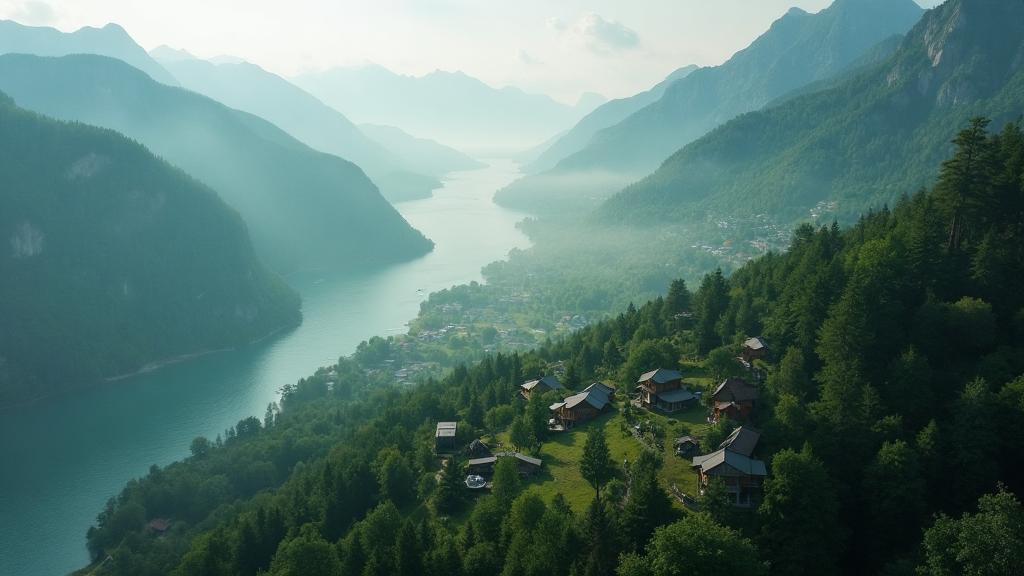
The Circassian Homeland Before and After 1864
Before the Russian conquest, the northwest Caucasus was home to a sophisticated civilization. Circassians lived in village communities governed by councils of elders, with a complex social code known as Adyghe Xabze that regulated everything from hospitality to conflict resolution. Their economy was based on agriculture, animal husbandry, and trade along the Black Sea coast.
After 1864, the landscape was transformed almost overnight. Russian authorities resettled the emptied territories with Cossacks, Russians, Armenians, Greeks, and other groups. Place names were changed. Villages were renamed or built on top of destroyed Circassian settlements. Within a generation, the physical traces of Circassian civilization in many areas had largely disappeared.
Today, modern Sochi — site of the 2014 Winter Olympics — stands on what was once the heart of Ubykh Circassian territory. This fact has become a powerful symbol for the Circassian diaspora. When the Olympics were held there, Circassian organizations around the world called attention to the irony of an international celebration taking place on the site of a historical tragedy.
The Diaspora: Where the Survivors Went
The expelled Circassians scattered across the Ottoman Empire, settling in territories that would later become Jordan, Syria, Turkey, Israel, Egypt, and other countries. The Ottoman government settled many of them in frontier regions, using them as a buffer against rival powers.
In Jordan, Circassians played an outsized role in the founding of the modern state. Amman, today the capital, was a small settlement when Circassian refugees arrived in the 1870s. They rebuilt it into a functioning town and later became trusted military and administrative figures under the Hashemite monarchy.
In Turkey, which received the largest number of refugees, Circassians assimilated into the broader population while maintaining cultural organizations and village identities. An estimated 5-7 million Turkish citizens have some Circassian ancestry today.
Memory and Recognition: The Fight for Acknowledgment
For over a century, the events of 1864 were largely forgotten outside Circassian communities. The Soviet Union had little interest in publicizing Tsarist-era ethnic cleansing, and the Circassian diaspora in the Middle East had other struggles to contend with.
That began to change in the late 20th century. Georgia formally recognized the Circassian deportation as a genocide in 2011. The 2014 Sochi Olympics brought renewed international attention. Circassian diaspora organizations have increasingly lobbied for recognition from other governments, though most major powers have not yet officially designated the events as genocide.
The debate over terminology matters. Was 1864 a genocide, an act of ethnic cleansing, or a military deportation? Scholars have argued all three positions. What is beyond dispute is the scale of human suffering and the intentional destruction of a people's connection to their homeland. The Russian military command explicitly stated their goal of removing the Circassian population, and their methods — burning villages, destroying food supplies, forcing marches to coastal embarkation points — constitute what modern international law would likely classify as crimes against humanity.
Lessons for Today
The Battle of Sochi and its aftermath carry lessons that extend far beyond Circassian history. The events demonstrate how indigenous peoples can be erased from their lands through a combination of military force, bureaucratic planning, and international indifference. They show how language and culture can be lost within just a few generations when communities are displaced and scattered.
But they also show the resilience of identity. More than 160 years after the deportation, Circassian communities worldwide continue to maintain their language, their music and dance, their cuisine, and their sense of shared history. Young Circassians in Amman, Istanbul, and New Jersey learn the stories of 1864 from their grandparents and great-grandparents. Language preservation efforts are underway. Cultural festivals bring diaspora communities together.
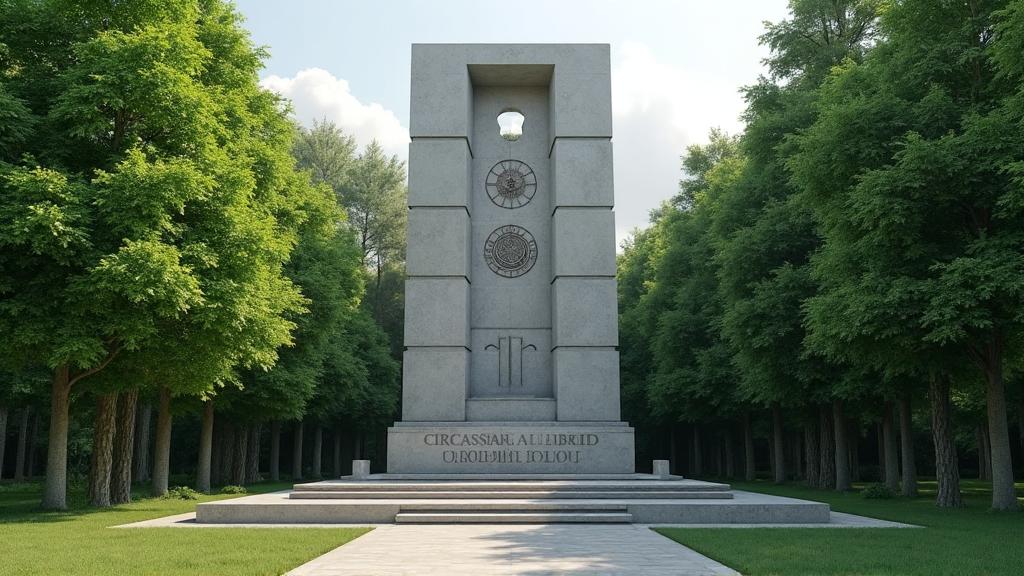 человеческъэу хьэуэ и черкесыщтэу нэмыгъэу хьэуэу. Российская военная команда явно заявила о своей цели удалить адыгейское население, а их методы — сжигание деревень, уничтожение продовольственных запасов, принудительные марши к прибрежным точкам отправления — представляют собой то, что современное международное право, вероятно, классифицировало бы как преступления против человечности.
Уроки для Сегодня
Сочинская битва и её последствия несут уроки, которые выходят далеко за пределы адыгейской истории. События демонстрируют, как коренные народы могут быть стерты с их земель через сочетание военной силы, бюрократического планирования и международного безразличия. Они показывают, как язык и культура могут быть утрачены всего за несколько поколений, когда сообщества перемещаются и рассеиваются.
Но они также показывают упорство идентичности. Более 160 лет после депортации адыгейские сообщества по всему миру продолжают сохранять свой язык, свою музыку и танцы, свою кухню и свое чувство общей истории. Молодые адыги в Аммане, Стамбуле и Нью-Джерси изучают истории 1864 года от своих бабушек и дедушек. Усилия по сохранению языка находятся в процессе. Культурные фестивали объединяют диаспорные сообщества.
Часто задаваемые вопросы
Что произошло 21 мая 1864 года?
21 мая 1864 года Российская империя провела военный парад победы в том, что сейчас называется Сочи, отмечая конец Русско-адыгейской войны и начало массовой депортации адыгов с их родины. Эта дата ежегодно отмечается как день скорби.
Была ли Сочинская битва единственной битвой?
Не совсем. Это было последнее военное действие столетнего конфликта. Последнее адыгейское сопротивление было сломлено в предшествующие месяцы, и "битва" больше была формальным объявлением завоевания, за которым последовала систематическая депортация.
Сколько адыгов было перемещено в 1864 году?
Оценки варьируются от 1 до 1,5 миллионов адыгов, которые были убиты или насильно депортированы в Османскую империю между 1864 и 1870 годами. До 90% адыгейского населения было удалено с их родины.
Источники и ссылки
- Ричмонд, Уолтер. Геноцид адыгов. Издательство Ратгерс, 2013.
- Шенфилд, Стивен Д. "Адыги: Забытый геноцид?" Резня в истории, Издательство Бергхан, 1999.
- Кинг, Чарльз. Призрак свободы: История Кавказа. Издательство Оксфордского университета, 2008.
- Хензе, Пол Б. "Адыгейское сопротивление России." Северокавказский барьер, Издательство Пэлгрейв Макмиллан, 1992.
- Джерсильд, Остин. Ориентализм и империя: Горные народы Северного Кавказа и Грузинская граница. Издательство Университета Макгилла-Куинс, 2002.
Изучите свое адыгейское наследие
Понимание Сочинской битвы — это лишь одна часть гораздо большей истории. Если вы хотите проследить путь своей семьи из Кавказа в диаспору, начните с создания своего семейного дерева. Изучите ДНК и тестирование гаплогрупп, чтобы узнать о своих племенных корнях. Узнайте о тамга символах, которые идентифицировали клан ваших предков. И присоединитесь к более широким усилиям, чтобы гарантировать, что события 21 мая 1864 года никогда не будут забыты.
Фэщтэуэ фамилиэ тхэуэ къэралъэуэ, къэралъэуэ нэмыгъэуэ, или диаспора мапэ къэралъэуэ, къэралъэуэ Адыгэуэ къэралъэуэуэ къэралъэуэ.