Circassians in Turkey: Largest Diaspora | CircassianWeb
In cities like Istanbul, Ankara, and Düzce, millions of people carry Circassian heritage — many without fully knowing its depth. Turkey's Circassian community is the largest in the world, and its story is one of quiet persistence: a culture that survived a century of assimilation pressures and is now experiencing an unexpected revival.
Introduction
Turkey is home to the largest Circassian diaspora in the world. With an estimated 2 to 3 million people of Circassian origin, Turkey hosts nearly half of the global Circassian population.
But these numbers only tell part of the story.
The Circassian presence in Turkey is not the result of voluntary migration — it is the outcome of one of the most devastating forced displacements of the 19th century. What followed was a remarkable journey of survival, rebuilding, and cultural preservation that continues to this day.
From remote Anatolian villages to the bustling streets of Istanbul, Circassians in Turkey have maintained a distinct identity while contributing deeply to the fabric of Turkish society. Their story is one of resilience, adaptation, and an unbreakable connection to a homeland they were forced to leave behind.
🇹🇷 The Largest Diaspora
Turkey hosts an estimated 2–3 million people of Circassian descent
Major communities in Düzce, Kayseri, Samsun, Ankara, and Istanbul
Cultural revival has grown significantly since the 2000s
Circassians have served in Turkish military, politics, and cultural life
The Great Exile: How Circassians Came to Turkey
The Circassian story in Turkey begins with tragedy. Following the end of the Russo-Circassian War in 1864 — a conflict that lasted over a century — the Russian Empire launched a systematic campaign to expel the Circassian population from their ancestral homeland in the North Caucasus.
The scale of the displacement was catastrophic:
An estimated 1 to 1.5 million Circassians were expelled from the Caucasus
Hundreds of thousands died during the journey from disease, starvation, and drowning
Entire villages were burned and communities scattered across the Ottoman Empire
Survivors were loaded onto overcrowded ships crossing the Black Sea. Oral histories passed down through families describe scenes of unimaginable hardship:
"The ships were so full that people stood for days. Many did not survive the crossing. Those who arrived kissed the ground — not because they were happy, but because they were alive."
The Ottoman Empire, recognizing the military skills and agricultural knowledge of the Circassians, settled them across Anatolia and the Balkans. Many were placed in strategically important border regions, where their reputation as skilled warriors could serve as a buffer against potential threats.
This was not a welcome in the modern sense — it was a calculated resettlement. Yet the Circassians made the best of it, turning barren land into thriving communities.
Settlement Across Anatolia: Building Over 500 Villages
When Circassians arrived in the Ottoman lands, they were often settled in remote, undeveloped, and sometimes hostile areas. The land was unfamiliar, the climate was different, and they had virtually nothing.
Yet within a generation, Circassians had established over 500 villages across modern-day Turkey. These were not random settlements — they were carefully organized communities that reflected the social structure of the Caucasus.
Key Settlement Regions
Circassians were settled in distinct clusters across Turkey, and each region developed its own character:
Sakarya (Adapazarı) — One of the largest concentrations of Circassians in Turkey. Villages like Kuzuluk, Sapanca, and surrounding areas became strongholds of Circassian culture. Sakarya remains one of the most culturally active Circassian regions to this day.
Düzce — Known for preserving the Circassian language better than almost any other region. Düzce villages maintained strong community structures and many families still speak Adyghe at home.
Kayseri — Central Anatolia became home to a significant Circassian population. The community here adapted to the local environment while maintaining distinct cultural practices.
Samsun and the Black Sea Coast — Circassians settled along the coast, establishing fishing and agricultural communities reminiscent of their life in the Caucasus.
Tokat, Sivas, and Yozgat — Interior Anatolia saw scattered Circassian settlements, often in mountainous terrain that reminded families of their homeland.
Bursa and the Marmara Region — Close to Istanbul, these communities became bridges between rural Circassian life and urban Turkish culture.
Kahramanmaraş and Adana — Southern Turkey also received Circassian families, who adapted to warmer climates while maintaining their traditions.
Balıkesir and Çanakkale — Western Anatolia hosted communities that later became important in military and political contributions to the Republic.
Each of these regions developed its own flavor of Circassian identity — shaped by local geography, neighboring cultures, and the specific tribal origins of the families who settled there.
Village Life: The Heart of Circassian Identity
For over a century, the Circassian village was the primary unit of cultural preservation. These were not just places to live — they were living museums of Circassian civilization.
How Villages Were Organized
Circassian villages in Turkey followed the traditional social structure of the Caucasus:
The Elder Council (Хасэ / Xase) — Village affairs were managed by respected elders who settled disputes, organized community events, and maintained social order
Communal Labor — When a family needed to build a house or harvest crops, the entire village participated. This tradition of collective work reinforced social bonds
Gender Roles — While men managed external affairs and agriculture, women were the keepers of language, cuisine, and domestic traditions. Many grandmothers became the primary transmitters of Circassian identity
Youth Training — Young men and women were expected to learn traditional dance, manners, and the code of conduct from an early age
Adyghe Xabze: The Unwritten Constitution
Adyghe Xabze (Адыгэ Хабзэ) — the traditional Circassian code of conduct — governed every aspect of village life. This was not just a set of customs; it was a comprehensive ethical and social framework:
Respect for Elders — A young person would stand when an elder entered the room, never sit in their presence without permission, and always use formal address
Hospitality — A guest was considered sacred. Even a stranger who arrived at a Circassian home would be fed, sheltered, and protected — sometimes at great personal cost to the host
Honor — Personal and family honor was paramount. A Circassian's word was considered binding, and breaking it brought shame not just on the individual but on the entire family
Restraint and Discipline — Public displays of emotion, boasting, and excessive behavior were considered signs of poor upbringing
Women's Dignity — Women were respected and protected. Traditional Circassian society, while patriarchal in structure, accorded women significant influence within the family and community
Many older Circassians in Turkey still live by these principles, and efforts are underway to teach them to younger generations.
The Tribal Mosaic: Circassian Diversity in Turkey
One of the most fascinating aspects of the Circassian community in Turkey is its tribal diversity. Unlike some diaspora communities that became homogenized over time, Circassians in Turkey maintained awareness of their specific tribal origins.
The major tribal groups represented in Turkey include:
Shapsugh (Шапсыгъ) — One of the most numerous groups, known for their democratic traditions and strong community organization
Abzakh (Абдзах) — Mountain dwellers known for their fierce independence and military prowess
Kabardey (Къэбэрдей) — The largest Circassian tribe historically, known for their aristocratic social structure and diplomatic skills
Bzhedugh (Бжъэдыгъу) — Known for their distinct dialect and cultural practices
Hatukay (Хьатыкъуай) — A smaller but culturally significant group
Temirgoy (Кlэмгуй) — Known for their contributions to Circassian music and poetry
Ubykh (Убых) — A unique group whose language became extinct in 1992 with the death of the last fluent speaker, Tevfik Esenç, in Turkey
Each tribe brought its own dialect, customs, and family traditions, creating a rich mosaic of Circassian identity within Turkey.
From Villages to Cities: The Great Migration
Starting in the 1950s and accelerating through the 1970s and 1980s, a massive internal migration transformed the Circassian community in Turkey. Driven by economic opportunities and modernization, families began moving from villages to major cities.
Where They Went
Istanbul — Became the largest urban concentration of Circassians in Turkey, with neighborhoods and districts known for their Circassian populations
Ankara — The capital attracted educated Circassians seeking government and professional careers
Bursa — An industrial hub that drew many working-class Circassian families
Izmir — The Aegean coast attracted families seeking commercial opportunities
What Was Lost and What Was Gained
The move to cities brought significant changes:
Gains:
Better education and economic opportunities
Access to media and cultural institutions
Connection with the broader Circassian community through associations
Losses:
Daily use of the Circassian language declined sharply
The tight-knit village community structure weakened
Intermarriage with non-Circassians became more common
Many young people grew up without learning traditional customs
This tension between preservation and integration remains the central challenge of Circassian life in Turkey today.
Istanbul: The Modern Capital of the Circassian Diaspora
Today, Istanbul is arguably the most important city for Circassians worldwide. With hundreds of thousands of people of Circassian descent, it serves as a cultural, social, and organizational hub.
Cultural Associations
Istanbul hosts dozens of Circassian cultural associations (dernekler), each serving different functions:
Language courses for children and adults
Traditional dance groups that perform nationally and internationally
Cultural evenings where music, food, and stories bring the community together
Youth programs designed to connect younger generations with their heritage
Social Life
Circassian social life in Istanbul revolves around:
Weekend gatherings at association halls
Circassian nights (Çerkes gecesi) — social events featuring traditional music and dance
Wedding celebrations that follow traditional protocols
Annual commemorations of the exile (May 21st)
For many young Circassians in Istanbul, the association is their primary connection to their heritage — a place where they can learn dance, meet other Circassians, and feel part of a community.
Culture That Survived: Weddings, Dance, and Traditions
Despite the pressures of urbanization and assimilation, Circassian culture in Turkey remains remarkably vibrant in certain areas.
Weddings: Living Tradition
Circassian weddings in Turkey are among the most structured and meaningful celebrations in the diaspora. They follow traditional protocols that have been maintained for over a century:
The groom's family sends a formal delegation to the bride's family — not just a conversation, but a structured ritual with specific roles and speeches
Traditional clothing — the bride wears a white dress (often with Circassian design elements), and participants may wear traditional Circassian attire
Dance is central — the wedding features traditional Circassian dance, with the couple performing specific dances that symbolize respect, grace, and unity
The bride's silent entry — traditionally, the bride enters the groom's family home in silence, showing modesty and respect
Community participation — the entire extended family and community are involved, making weddings a collective celebration
Dance: The Soul of Circassian Identity
If there is one cultural element that Circassians in Turkey have preserved most powerfully, it is dance. Circassian dance is not mere entertainment — it is a language of identity.
Kafe (Къафэ) — The general term for Circassian dance, performed at every celebration
İslamey — A dramatic couple's dance that requires extraordinary skill and grace
Wuj (Удж) — A slow, dignified dance performed by couples
Zafak — A fast-paced, energetic dance that showcases athleticism
Dance groups across Turkey train rigorously, and Circassian dance performances are a source of immense community pride.
Circassian Cuisine in Turkey
Food remains a powerful connector to identity. Circassian dishes that are still prepared in Turkish households include:
Çerkes Tavuğu (Circassian Chicken) — Perhaps the most famous Circassian dish, made with walnut sauce. It has become part of mainstream Turkish cuisine
Haliva (Хьалыуэ) — A traditional millet-based dish, often prepared for special occasions
Mamrıs (Мамрыс) — Stuffed dumplings similar to manti but with distinct Circassian preparation
Şıps (Щыпс) — Various sauces made from garlic, peppers, and herbs
Paste (Пlастэ) — A thick cornmeal dish served as a staple accompaniment
In many Circassian households, preparing these dishes is itself an act of cultural preservation — recipes passed from grandmother to granddaughter across generations.
The Language Crisis: An Endangered Heritage
Perhaps the most urgent challenge facing Circassians in Turkey is the decline of the Circassian language. UNESCO has classified the Circassian language (Adyghe and Kabardian) as endangered.
The Current Situation
Only an estimated 15-20% of Circassians in Turkey can speak the language fluently
Most fluent speakers are over 50 years old
Many young Circassians understand some words but cannot hold a conversation
In cities, Turkish has almost entirely replaced Circassian as the language of daily life
Why the Language Declined
Several factors contributed to this decline:
Assimilation policies — During the early Republican period, speaking minority languages was actively discouraged
Village name changes — Hundreds of Circassian village names were replaced with Turkish names, erasing linguistic markers of identity
Education system — All education was conducted in Turkish, with no provision for Circassian language instruction
Social pressure — In cities, speaking a minority language was sometimes seen as "backward"
Intermarriage — Marriages with non-Circassians naturally led to Turkish becoming the household language
Revival Efforts
In recent years, significant efforts have been made to reverse this decline:
Circassian language courses in cultural associations
Optional Circassian language classes in some Turkish schools (introduced in 2012)
Online language learning platforms and social media groups
Children's books and educational materials in Circassian
University programs studying Circassian language and culture
Despite these efforts, the window for language preservation is narrowing. The generation that grew up speaking Circassian at home is aging, and without urgent action, the language could face extinction in Turkey within a few decades.
Assimilation and Identity: The Complex Reality
The relationship between Circassian identity and Turkish national identity is complex and sometimes contradictory.
The Assimilation Experience
During the early decades of the Turkish Republic, the government pursued aggressive nation-building policies that sought to create a unified Turkish identity. For Circassians, this meant:
Discouragement of ethnic identification beyond "Turkish"
Changing of Circassian village names to Turkish names
Social pressure to assimilate linguistically and culturally
Limited recognition of Circassian cultural distinctiveness
A Spectrum of Identity
Today, Circassians in Turkey exist on a wide spectrum of identity:
Strongly Circassian — Those who actively maintain language, participate in associations, and consider Circassian identity primary
Dual Identity — Those who consider themselves both Turkish and Circassian, moving between both cultures comfortably
Culturally Turkish — Those of Circassian descent who have fully assimilated and may not even be aware of their Circassian origins
This diversity of experience is itself a legacy of the diaspora — a reminder that identity is not static but shaped by history, geography, and personal choice.
Circassian Contributions to Turkey
Circassians have made enormous contributions to Turkish society across virtually every field. Their impact is often underrecognized because many prominent Circassians are known by their Turkish public identities.
Military
Circassians have a long and distinguished military tradition in Turkey:
Circassian soldiers played important roles in the Turkish War of Independence
Numerous high-ranking military officers have been of Circassian origin
The military tradition reflects the warrior culture that Circassians carried from the Caucasus
Politics and Government
Circassians have served at the highest levels of Turkish government:
Members of parliament from multiple political parties
Ministers, governors, and senior bureaucrats
Diplomats and ambassadors
Arts, Media, and Sports
Many prominent Turkish figures in entertainment, media, and sports are of Circassian origin:
Actors and actresses in Turkish cinema and television
Musicians and singers who have shaped Turkish popular culture
Athletes in football, basketball, and other sports
Journalists and media personalities
The Circassian presence in Turkish public life is far greater than most people realize — a testament to the community's successful integration while maintaining a distinct identity behind the scenes.
KAFFED and the Organized Circassian Movement
KAFFED (Kafkas Dernekleri Federasyonu / Federation of Caucasian Associations) is the umbrella organization that coordinates Circassian cultural and social activities across Turkey.
KAFFED oversees:
Over 60 member associations across Turkey
Annual cultural festivals and events
Language preservation programs
Youth engagement and education initiatives
Advocacy for Circassian cultural rights
International diaspora connections
Local associations in cities like Düzce, Sakarya, Istanbul, Ankara, Bursa, and Kayseri serve as community centers where Circassians gather, learn, and celebrate their heritage.
These organizations have become especially important as villages emptied and families moved to cities — they serve as the modern equivalent of the village community, providing a space for cultural continuity.
May 21st: The Day of Mourning and Remembrance
Every year on May 21st, Circassians around the world — and especially in Turkey — commemorate the anniversary of the 1864 exile.
This day has become a powerful symbol of collective memory:
Large gatherings are held in Istanbul, Ankara, and other cities
Circassians march in commemoration, often wearing traditional clothing
Stories of the exile are shared and retold
Cultural performances celebrate resilience and survival
For many young Circassians, May 21st is the day they most strongly feel their identity — a reminder of what was lost and what has been preserved.
Famous Circassians in Turkish History
Throughout Turkish history, individuals of Circassian origin have played pivotal roles in shaping the nation. Many of Turkey's most accomplished figures — in politics, military, arts, and sports — carry Circassian heritage, often unknown to the general public.
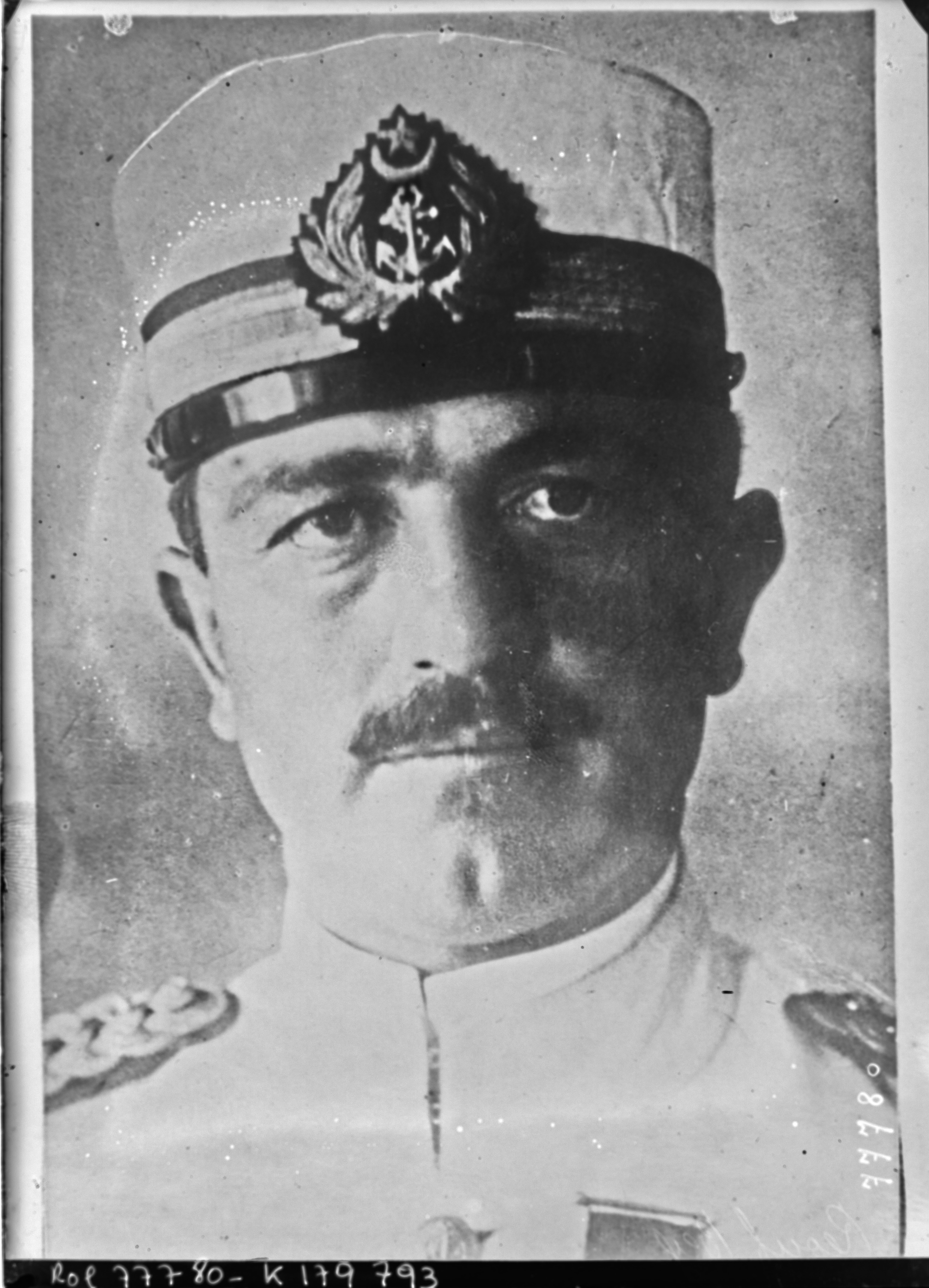
Rauf Orbay
Prime Minister

Çerkes Ethem
Independence War Leader
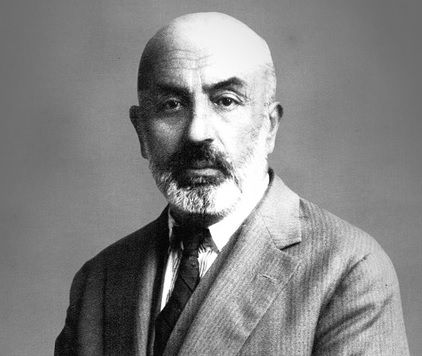
Mehmet Akif Ersoy
National Anthem Author
Kâzım Karabekir
Military Commander
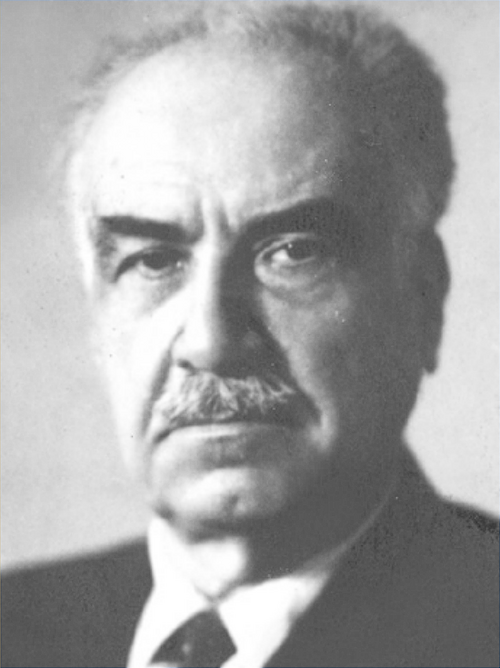
Fevzi Çakmak
Field Marshal
Political and Military Figures
Çerkes Ethem (Ethem the Circassian) — A legendary and controversial figure in the Turkish War of Independence. He led irregular Kuva-yi Milliye forces that won crucial early victories against Greek forces in western Anatolia before clashing with the regular army.
Rauf Orbay — Circassian naval hero of the Ottoman Empire and one of the key figures of the Turkish Independence movement. He served as Prime Minister (1922–1923) and was a signatory of the Mudros Armistice.
Mehmet Akif Ersoy — Of partial Circassian (Albanian-Circassian) descent, he authored the Turkish National Anthem (İstiklâl Marşı), one of the most important literary works in Turkish history.
Kâzım Karabekir — Of Circassian heritage, he was one of the most important military commanders of the Turkish War of Independence, commanding the Eastern Front.
Fevzi Çakmak — Marshal and Chief of the General Staff during and after the War of Independence. One of the three key military leaders alongside Atatürk and İsmet İnönü.
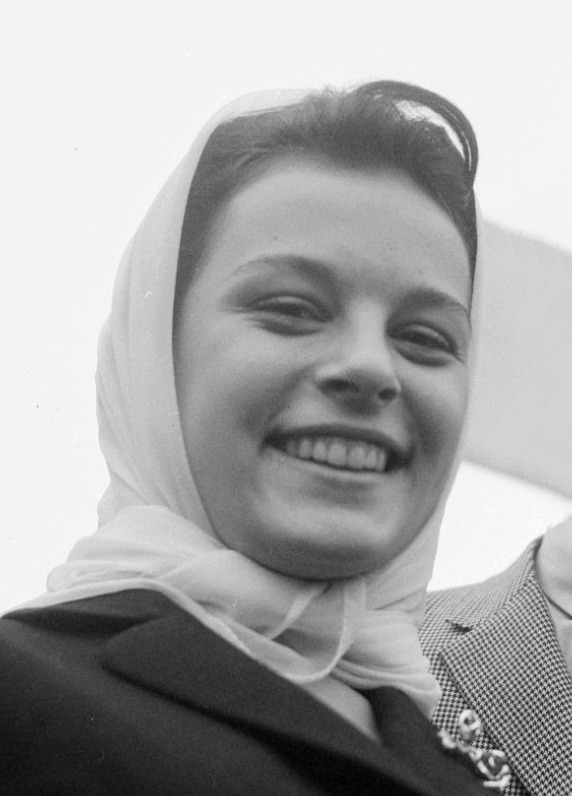
Hülya Koçyiğit
Legendary Actress
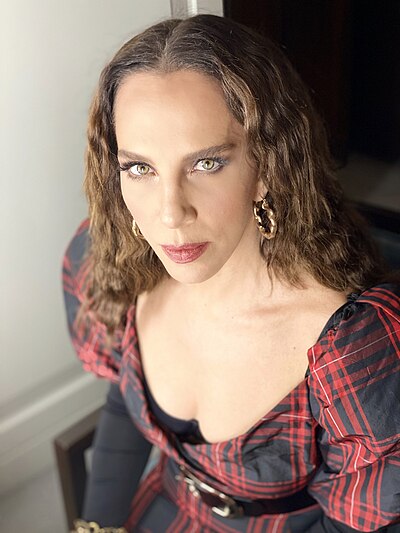
Sertab Erener
Eurovision Winner
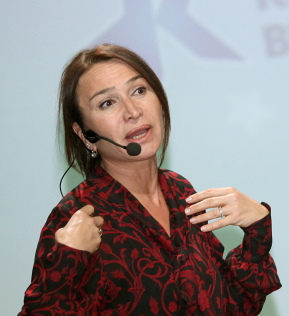
Demet Akbağ
Award-Winning Actress
Arts, Entertainment, and Culture
Müjde Ar — One of Turkey's most famous actresses, known for groundbreaking roles in Turkish cinema
Hülya Koçyiğit — Legendary Turkish actress and one of the most celebrated stars of Yeşilçam (Turkish cinema), proudly Circassian
Sertab Erener — Grammy-nominated singer who won the Eurovision Song Contest for Turkey in 2003, of Circassian origin
İlyas Salman — Beloved actor of Turkish cinema, known for socially conscious roles, of Circassian heritage
Nükhet Duru — Iconic Turkish pop and jazz singer, one of the most respected voices in Turkish music history
Demet Akbağ — Award-winning actress and comedian, one of the most beloved figures in Turkish entertainment

Hakan Şükür
All-Time Top Scorer
Sports
Hakan Şükür — Turkey's all-time top scorer in international football with 51 goals, scored the fastest goal in FIFA World Cup history (11 seconds, 2002). Proudly Circassian.
Tuncay Şanlı — International footballer who played for Fenerbahçe, Middlesbrough, and Stoke City, of Circassian origin
Emre Belözoğlu — Legendary Turkish footballer and current football executive, of Circassian descent
Numerous Olympic athletes — Circassians have represented Turkey in wrestling, judo, and other sports at the Olympic level
Business and Academia
Circassian families are prominent in Turkey's business elite, particularly in the food industry, construction, and manufacturing
Multiple university professors and researchers of Circassian origin contribute to linguistics, history, and social sciences
Circassian entrepreneurs have founded significant companies across Turkey's major economic sectors
The true scale of Circassian contribution to Turkish society is difficult to measure — precisely because so many Circassians have been fully integrated into Turkish public life while maintaining their heritage privately. Estimates suggest that up to 25% of Turkey's political and military elite have some Circassian ancestry.
The Ubykh Tragedy: A Warning
The story of the Ubykh people serves as a powerful warning about the consequences of language loss.
The Ubykh were a Circassian group who were entirely exiled to Turkey. Their language — one of the most phonetically complex in the world with 84 consonant sounds — was spoken only in Turkey after the exile.
On October 7, 1992, the last fluent Ubykh speaker, Tevfik Esenç, died in a village in Turkey. With him died an entire language.
Esenç had spent years working with linguists to document the language, knowing he was its last speaker. His story is both a tragedy and a call to action for all Circassian communities: without active preservation efforts, languages and cultures can disappear within a single generation.
The New Generation: Between Heritage and Modernity
Today's young Circassians in Turkey face a unique set of challenges and opportunities:
Challenges
Most cannot speak Circassian fluently
Many live far from traditional Circassian communities
Global culture competes with ethnic identity for attention
Some face pressure to choose between Turkish and Circassian identity
Opportunities
Social media has created new spaces for Circassian connection and learning
Dance groups attract hundreds of young people in every major city
Cultural pride is growing, with many young people actively seeking their roots
Digital platforms enable family tree building and tribal research
International connections with Circassians in Jordan, Syria, Israel, Europe, and the Caucasus
Many young Circassians describe a journey of rediscovery — growing up knowing they were Circassian but not understanding what that meant, then gradually connecting with their heritage through dance, associations, and family research.
Return to the Homeland: A Complex Dream
For many Circassians in Turkey, the idea of returning to the Caucasus remains a powerful emotional concept — even if few have actually made the journey.
Some have visited the Republic of Adygea, Kabardino-Balkaria, or other Circassian regions in Russia
A small number have relocated permanently
Cultural exchanges between Turkey and the Caucasus have increased
The concept of "return" is more often spiritual and cultural than physical
For most, the homeland represents an ideal — a connection to a past that shapes present identity, even if the future lies in Turkey.
Reconnecting Through Family History
One of the most powerful tools for identity preservation is family history and genealogy.
Many Circassians in Turkey know they are Circassian but have lost specific knowledge of:
Their tribal affiliation
The original village their family came from in the Caucasus
The route their ancestors took during the exile
Connections to relatives in other diaspora countries
Building a family tree can help recover this knowledge, connecting individuals not just to their past but to a global community of Circassians who share the same origins.
By tracing lineage, discovering tribal connections, and documenting family stories, each person contributes to preserving a heritage that might otherwise be lost.
Conclusion: A Story That Continues
The story of Circassians in Turkey is not a story that ended generations ago — it is a living, evolving narrative.
From the trauma of exile to the building of hundreds of villages, from village life to urban migration, from assimilation pressures to cultural revival — every generation has added a new chapter.
Today, the challenge is clear: How do you preserve an identity when the language is fading, the villages are emptying, and the world is changing faster than ever?
The answer lies in the same qualities that brought Circassians through the exile: resilience, community, and an unshakeable sense of who they are.
The largest Circassian diaspora in the world is not just surviving — it is actively working to ensure that the next generation knows where they came from, what they carry, and why it matters.
Start building your family tree and reconnect with your Circassian roots today.
Frequently Asked Questions
How many Circassians live in Turkey?
Estimates range from 3 to 7 million people of Circassian descent, making Turkey home to the world's largest Circassian community. Many have assimilated linguistically while maintaining cultural identity.
Which famous Turkish people are Circassian?
Notable Turkish Circassians include footballer Hakan Şükür, actress Demet Akbağ, musician Müslüm Gürses, and many politicians, military leaders, and cultural figures throughout Turkish history.
Do Circassians in Turkey face discrimination?
While Circassians are well-integrated and respected in Turkish society, they have faced linguistic assimilation pressure. Circassian language education was restricted for decades, though recent reforms have improved the situation.
Sources & References
Jaimoukha, A. (2001). The Circassians: A Handbook. Psychology Press.
Richmond, S. (2013). The Circassian Diaspora in Jordan: A History of Displacement and Identity. I.B. Tauris.
Natho, G. (2009). Circassian History in the Middle East. Xlibris Corporation.
Kaya, M. (2005). The Circassian Diaspora in the Ottoman Empire and Turkey. Journal of Muslim Minority Affairs, 25(2), 203-223.
Shami, S. (1998). The Circassians of Jordan: A Study of a Minority Community.. Centre for Arab and Islamic Studies.
Henze, P. B. (1992). Circassia: The Last Caucasian Homeland. University of Alabama Press.
Paris, E. (1974). The Circassian Language: A Comparative Grammar. Mouton.
Colarusso, J. (1999). Circassian Narratives: Folklore of the Caucasian Peoples.. Peeters Publishers.
Balanovsky, O. P., Dibirova, Z. A., Agdzhoyan, A. T., Balanovska, E. V., & Yunusbayev, Y. S. (2011). The Circassian Diaspora: Genetic Studies and Origins. Human Biology, 83(2), 193-212. JSTOR